Web design professionals
Web design professionals design, develop and maintain websites and web and mobile applications to meet a client’s specified requirements.
- Employees (UK)
- 12k
- Median annual pay
- £46,639
- Exposure score ?
- 0.4/10 Minimal 10.0/10 Very high strict reading, with tools is 10.0/10 with-tools reading, strict is 0.4/10
- Wage exposure
- £22m £560m
Higher exposure than 21% of the 379 UK occupations we scored.
What this score means.
Most of this role's work is still hard for AI: physical presence, practised skill, judgement in context and direct care, the things that do not turn into text.
If you are in this role
Nothing here is under pressure today, but the frontier moves. Learn enough to direct AI at the paperwork around the job. People in hands-on roles who can do that become unusually useful inside their organisations.
Almost every routine task in this role is within reach of today's models. Roles like this are being rebuilt, usually not by disappearing but by one person using AI to produce what several did.
If you are in this role
Be the person doing the rebuilding. People who learn to run this kind of work with AI become very valuable, and the ones who wait tend to have the change made for them.
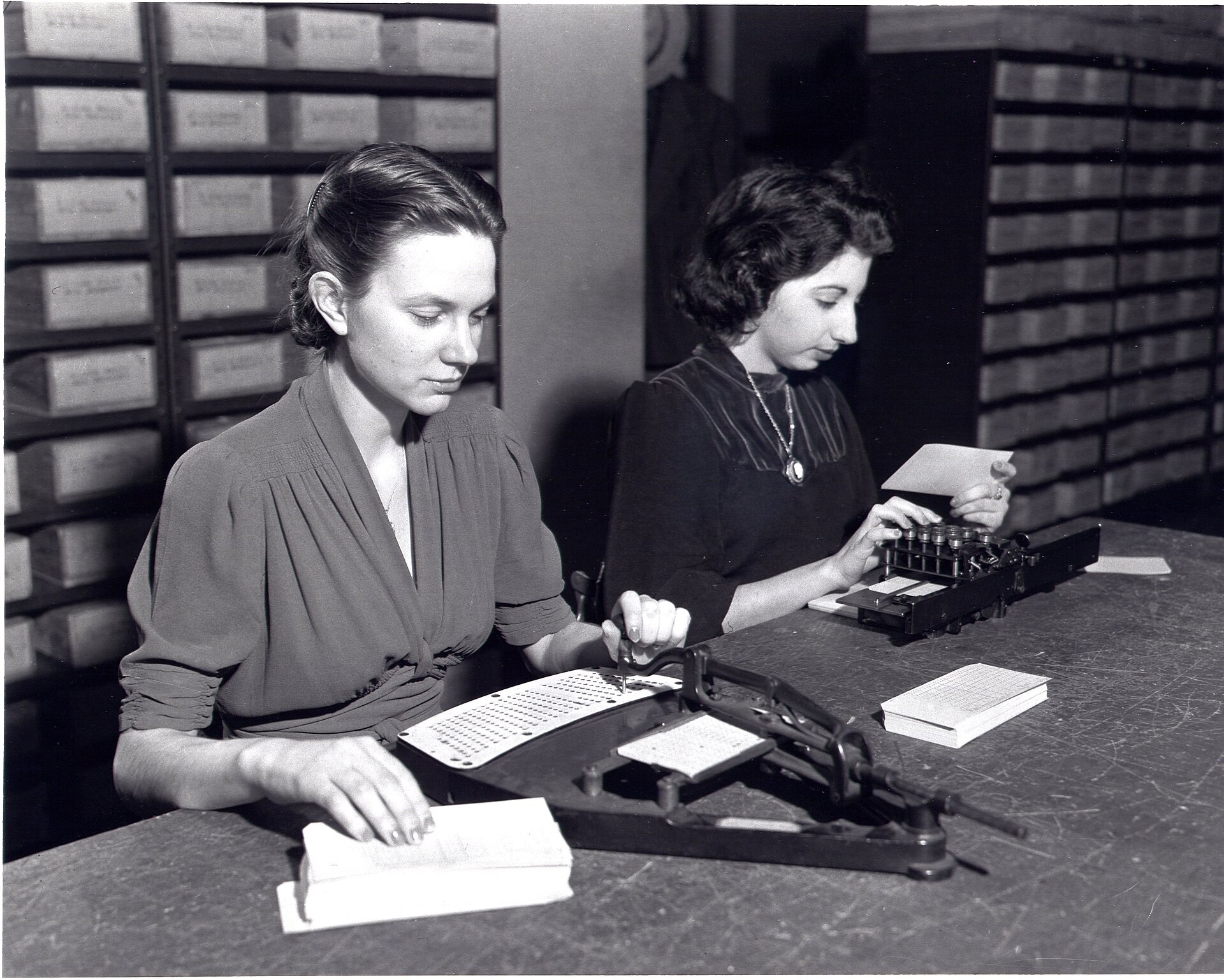
Where the work usually starts.
This role's strict reading is low because its top tasks are judgement, not drafting. The three highest-stakes tasks below are still usually where the work starts. Switch to With tools to see what AI plus the right context can take on.
-
Key information into computer equipment to create layouts for client or supervisor.
-
Review final layouts and suggest improvements, as needed.
-
Determine size and arrangement of illustrative material and copy, and select style and size of type.
These are the most important tasks AI can already handle when paired with the right tools and context. The first wins usually come from building workflows around them. That is the difference between a model that could do the job and one that actually does it inside your business.
-
Key information into computer equipment to create layouts for client or supervisor.
-
Review final layouts and suggest improvements, as needed.
-
Determine size and arrangement of illustrative material and copy, and select style and size of type.
Every role has three or four places like these. Finding them takes an hour. Turning them into a workflow your team actually uses takes a few days.
Every task in the role.
Every O*NET task for this occupation, split by what AI can do unaided and what still needs a person. Importance is O*NET's 1 to 5 rating of how central each task is.
Tasks via O*NET "Graphic Designers" (27-1024.00).
What AI can already do
0 of 19 tasks, unaided
No tasks here are labelled as something an LLM can do unaided. Switch to 'With tools' above to see what changes when AI is paired with the right context.
What still needs a person
19 of 19 tasks
Key information into computer equipment to create layouts for client or supervisor.
Review final layouts and suggest improvements, as needed.
Determine size and arrangement of illustrative material and copy, and select style and size of type.
Develop graphics and layouts for product illustrations, company logos, and Web sites.
Create designs, concepts, and sample layouts, based on knowledge of layout principles and esthetic design concepts.
Use computer software to generate new images.
Prepare digital files for printing.
Confer with clients to discuss and determine layout design.
Research the target audience of projects.
Draw and print charts, graphs, illustrations, and other artwork, using computer.
Mark up, paste, and assemble final layouts to prepare layouts for printer.
Study illustrations and photographs to plan presentation of materials, products, or services.
Maintain archive of images, photos, or previous work products.
Prepare notes and instructions for workers who assemble and prepare final layouts for printing.
Prepare illustrations or rough sketches of material, discussing them with clients or supervisors and making necessary changes.
Research new software or design concepts.
Produce still and animated graphics for on-air and taped portions of television news broadcasts, using electronic video equipment.
Photograph layouts, using camera, to make layout prints for supervisors or clients.
Write or edit copy for clients.
Tasks via O*NET "Graphic Designers" (27-1024.00).
What AI can already do
16 of 19 tasks, with tools
Key information into computer equipment to create layouts for client or supervisor.
Review final layouts and suggest improvements, as needed.
Determine size and arrangement of illustrative material and copy, and select style and size of type.
Develop graphics and layouts for product illustrations, company logos, and Web sites.
Create designs, concepts, and sample layouts, based on knowledge of layout principles and esthetic design concepts.
Use computer software to generate new images.
Confer with clients to discuss and determine layout design.
Draw and print charts, graphs, illustrations, and other artwork, using computer.
Mark up, paste, and assemble final layouts to prepare layouts for printer.
Study illustrations and photographs to plan presentation of materials, products, or services.
Maintain archive of images, photos, or previous work products.
Prepare notes and instructions for workers who assemble and prepare final layouts for printing.
Prepare illustrations or rough sketches of material, discussing them with clients or supervisors and making necessary changes.
Research new software or design concepts.
Produce still and animated graphics for on-air and taped portions of television news broadcasts, using electronic video equipment.
Photograph layouts, using camera, to make layout prints for supervisors or clients.
What still needs a person
3 of 19 tasks
Prepare digital files for printing.
Research the target audience of projects.
Write or edit copy for clients.
Stay on top of this.
An email when there is something worth reading: what is real in AI at work, what is noise, and what operators are doing about it.
Free. Unsubscribe any time.
Related occupations.
Other roles in Professional occupations, and roles close by exposure.
What it means for your sector.
This role's score comes from Eloundou et al's 2023 task labels, weighted by O*NET importance within each O*NET-SOC code, then bridged to UK SOC 2020 through ISCO-08 (the ONS coding index) and US SOC 2010 (the BLS crosswalk). Employment and median pay come from ONS ASHE Table 14.7a, 2025 provisional, which covers employees only.
Back to the mapMethodologySources (PDF)Built 29 April 2026
Pictures
- "Census pantograph and 1930s keypunches" by U.S. Census Bureau employees, public domain, via Wikimedia Commons
- "Shepard Barclay, St. Louis lawyer, in his office" by Missouri Historical Society via DPLA, no known copyright restrictions, via Wikimedia Commons
- "Accountant's Office LCCN2016824374" by National Photo Company Collection, public domain, via Wikimedia Commons
- "Employment service in Oulu in the spring 1931" by Finnish Heritage Agency (Museovirasto), CC BY 4.0, via Wikimedia Commons