Mechanical engineers
(professional)
Professional mechanical engineers undertake research, design and development, direct the manufacture and manage the operation and maintenance of engines, machines, vehicle and ships’ structures, building services and other mechanical items.
- Employees (UK)
- 55k
- Median annual pay
- £50,594
- Exposure score ?
- 1.5/10 Minimal 8.2/10 Very high strict reading, with tools is 8.2/10 with-tools reading, strict is 1.5/10
- Wage exposure
- £417m £2.28bn
Higher exposure than 68% of the 379 UK occupations we scored.
What this score means.
Most of this role's work is still hard for AI: physical presence, practised skill, judgement in context and direct care, the things that do not turn into text.
If you are in this role
Nothing here is under pressure today, but the frontier moves. Learn enough to direct AI at the paperwork around the job. People in hands-on roles who can do that become unusually useful inside their organisations.
Almost every routine task in this role is within reach of today's models. Roles like this are being rebuilt, usually not by disappearing but by one person using AI to produce what several did.
If you are in this role
Be the person doing the rebuilding. People who learn to run this kind of work with AI become very valuable, and the ones who wait tend to have the change made for them.
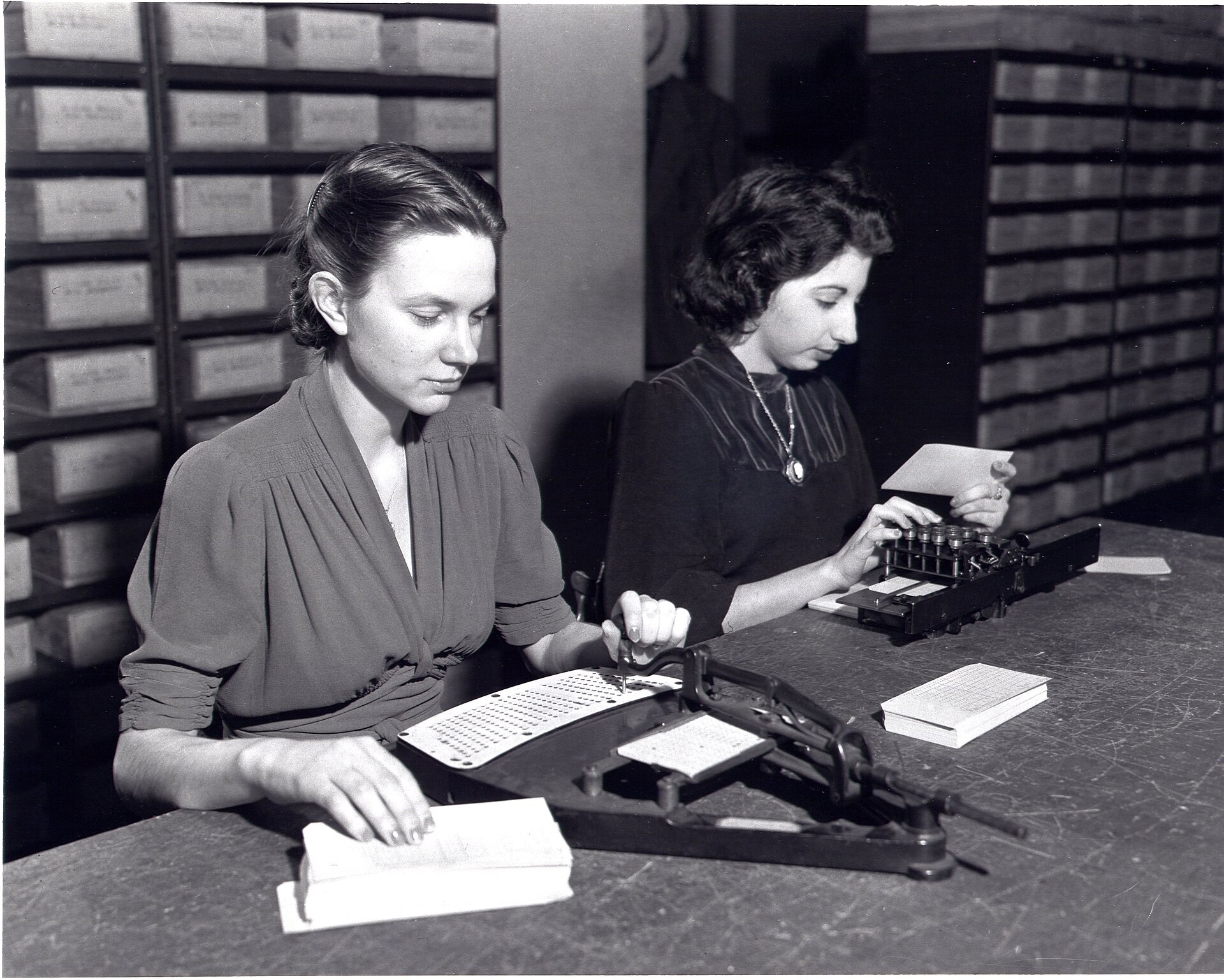
Where the work usually starts.
These are the most important tasks a language model can already handle directly. In a typical engagement the first wins come from building workflows around them, so they stop eating the team's time.
-
Prepare technical reports for use by engineering, management, or sales personnel.
-
Maintain records of engineering department activities, including expense records and details of equipment maintenance and repairs.
-
Confer with research personnel to clarify or resolve problems and to develop or modify designs.
These are the most important tasks AI can already handle when paired with the right tools and context. The first wins usually come from building workflows around them. That is the difference between a model that could do the job and one that actually does it inside your business.
-
Perform monitoring activities to ensure that ships comply with international regulations and standards for life-saving equipment and pollution preventatives.
-
Design complete hull and superstructure according to specifications and test data, in conformity with standards of safety, efficiency, and economy.
-
Conduct analyses of ships, such as stability, structural, weight, and vibration analyses.
Every role has three or four places like these. Finding them takes an hour. Turning them into a workflow your team actually uses takes a few days.
Every task in the role.
Every O*NET task for this occupation, split by what AI can do unaided and what still needs a person. Importance is O*NET's 1 to 5 rating of how central each task is.
Tasks via O*NET "Marine Engineers and Naval Architects" (17-2121.00).
What AI can already do
3 of 30 tasks, unaided
Prepare technical reports for use by engineering, management, or sales personnel.
Maintain records of engineering department activities, including expense records and details of equipment maintenance and repairs.
Confer with research personnel to clarify or resolve problems and to develop or modify designs.
What still needs a person
27 of 30 tasks
Perform monitoring activities to ensure that ships comply with international regulations and standards for life-saving equipment and pollution preventatives.
Design complete hull and superstructure according to specifications and test data, in conformity with standards of safety, efficiency, and economy.
Conduct analyses of ships, such as stability, structural, weight, and vibration analyses.
Study design proposals and specifications to establish basic characteristics of craft, such as size, weight, speed, propulsion, displacement, and draft.
Maintain contact with, and formulate reports for, contractors and clients to ensure completion of work at minimum cost.
Supervise other engineers and crew members and train them for routine and emergency duties.
Coordinate activities with regulatory bodies to ensure repairs and alterations are at minimum cost and consistent with safety.
Check, test, and maintain automatic controls and alarm systems.
Design layout of craft interior, including cargo space, passenger compartments, ladder wells, and elevators.
Prepare, or direct the preparation of, product or system layouts and detailed drawings and schematics.
Evaluate performance of craft during dock and sea trials to determine design changes and conformance with national and international standards.
Act as liaisons between ships' captains and shore personnel to ensure that schedules and budgets are maintained, and that ships are operated safely and efficiently.
Maintain and coordinate repair of marine machinery and equipment for installation on vessels.
Inspect marine equipment and machinery to draw up work requests and job specifications.
Oversee construction and testing of prototype in model basin and develop sectional and waterline curves of hull to establish center of gravity, ideal hull form, and buoyancy and stability data.
Evaluate operation of marine equipment during acceptance testing and shakedown cruises.
Conduct analytical, environmental, operational, or performance studies to develop designs for products, such as marine engines, equipment, and structures.
Procure materials needed to repair marine equipment and machinery.
Establish arrangement of boiler room equipment and propulsion machinery, heating and ventilating systems, refrigeration equipment, piping, and other functional equipment.
Investigate and observe tests on machinery and equipment for compliance with standards.
Schedule machine overhauls and the servicing of electrical, heating, ventilation, refrigeration, water, and sewage systems.
Prepare plans, estimates, design and construction schedules, and contract specifications, including any special provisions.
Design and oversee testing, installation, and repair of marine apparatus and equipment.
Conduct environmental, operational, or performance tests on marine machinery and equipment.
Analyze data to determine feasibility of product proposals.
Determine conditions under which tests are to be conducted, as well as sequences and phases of test operations.
Review work requests and compare them with previous work completed on ships to ensure that costs are economically sound.
Tasks via O*NET "Marine Engineers and Naval Architects" (17-2121.00).
What AI can already do
22 of 30 tasks, with tools
Perform monitoring activities to ensure that ships comply with international regulations and standards for life-saving equipment and pollution preventatives.
Design complete hull and superstructure according to specifications and test data, in conformity with standards of safety, efficiency, and economy.
Conduct analyses of ships, such as stability, structural, weight, and vibration analyses.
Study design proposals and specifications to establish basic characteristics of craft, such as size, weight, speed, propulsion, displacement, and draft.
Maintain contact with, and formulate reports for, contractors and clients to ensure completion of work at minimum cost.
Coordinate activities with regulatory bodies to ensure repairs and alterations are at minimum cost and consistent with safety.
Prepare technical reports for use by engineering, management, or sales personnel.
Design layout of craft interior, including cargo space, passenger compartments, ladder wells, and elevators.
Prepare, or direct the preparation of, product or system layouts and detailed drawings and schematics.
Evaluate performance of craft during dock and sea trials to determine design changes and conformance with national and international standards.
Maintain records of engineering department activities, including expense records and details of equipment maintenance and repairs.
Act as liaisons between ships' captains and shore personnel to ensure that schedules and budgets are maintained, and that ships are operated safely and efficiently.
Inspect marine equipment and machinery to draw up work requests and job specifications.
Oversee construction and testing of prototype in model basin and develop sectional and waterline curves of hull to establish center of gravity, ideal hull form, and buoyancy and stability data.
Conduct analytical, environmental, operational, or performance studies to develop designs for products, such as marine engines, equipment, and structures.
Investigate and observe tests on machinery and equipment for compliance with standards.
Schedule machine overhauls and the servicing of electrical, heating, ventilation, refrigeration, water, and sewage systems.
Prepare plans, estimates, design and construction schedules, and contract specifications, including any special provisions.
Analyze data to determine feasibility of product proposals.
Determine conditions under which tests are to be conducted, as well as sequences and phases of test operations.
Confer with research personnel to clarify or resolve problems and to develop or modify designs.
Review work requests and compare them with previous work completed on ships to ensure that costs are economically sound.
What still needs a person
8 of 30 tasks
Supervise other engineers and crew members and train them for routine and emergency duties.
Check, test, and maintain automatic controls and alarm systems.
Maintain and coordinate repair of marine machinery and equipment for installation on vessels.
Evaluate operation of marine equipment during acceptance testing and shakedown cruises.
Procure materials needed to repair marine equipment and machinery.
Establish arrangement of boiler room equipment and propulsion machinery, heating and ventilating systems, refrigeration equipment, piping, and other functional equipment.
Design and oversee testing, installation, and repair of marine apparatus and equipment.
Conduct environmental, operational, or performance tests on marine machinery and equipment.
Stay on top of this.
An email when there is something worth reading: what is real in AI at work, what is noise, and what operators are doing about it.
Free. Unsubscribe any time.
Related occupations.
Other roles in Professional occupations, and roles close by exposure.
What it means for your sector.
This role's score comes from Eloundou et al's 2023 task labels, weighted by O*NET importance within each O*NET-SOC code, then bridged to UK SOC 2020 through ISCO-08 (the ONS coding index) and US SOC 2010 (the BLS crosswalk). Employment and median pay come from ONS ASHE Table 14.7a, 2025 provisional, which covers employees only.
Back to the mapMethodologySources (PDF)Built 29 April 2026
Pictures
- "Census pantograph and 1930s keypunches" by U.S. Census Bureau employees, public domain, via Wikimedia Commons
- "Shepard Barclay, St. Louis lawyer, in his office" by Missouri Historical Society via DPLA, no known copyright restrictions, via Wikimedia Commons
- "Accountant's Office LCCN2016824374" by National Photo Company Collection, public domain, via Wikimedia Commons
- "Employment service in Oulu in the spring 1931" by Finnish Heritage Agency (Museovirasto), CC BY 4.0, via Wikimedia Commons