Financial administrative
occupations n.e.c.
Job holders in this unit group carry out a variety of finance-related administrative functions not elsewhere classified in minor group 412: Administrative occupations: finance.
- Employees (UK)
- 98k
- Median annual pay
- £25,936
- Exposure score ?
- 3.9/10 Low 9.6/10 Very high strict reading, with tools is 9.6/10 with-tools reading, strict is 3.9/10
- Wage exposure
- £991m £2.44bn
Higher exposure than 93% of the 379 UK occupations we scored.
What this score means.
A few tasks in this role are within reach of AI, mostly paperwork, scheduling and routine writing. The shape of the role stays the same, and some parts get faster.
If you are in this role
Pick the two or three most repetitive things in your week and try a model on them. Most people underestimate what Claude or ChatGPT already does with admin-shaped work. The time you get back is the gain.
Almost every routine task in this role is within reach of today's models. Roles like this are being rebuilt, usually not by disappearing but by one person using AI to produce what several did.
If you are in this role
Be the person doing the rebuilding. People who learn to run this kind of work with AI become very valuable, and the ones who wait tend to have the change made for them.
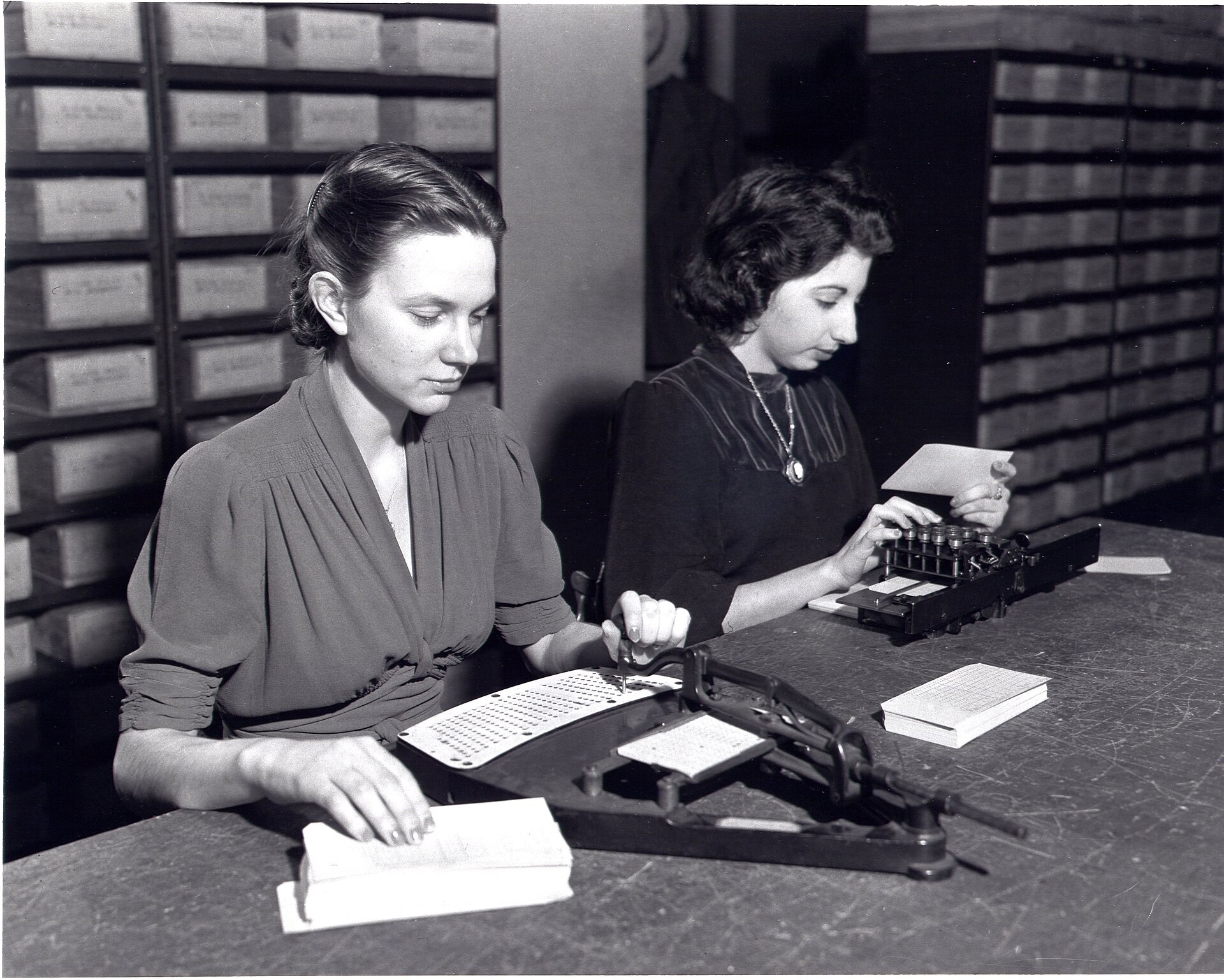
Where the work usually starts.
These are the most important tasks a language model can already handle directly. In a typical engagement the first wins come from building workflows around them, so they stop eating the team's time.
-
Prepare insurance claim forms or related documents, and review them for completeness.
-
Pay small claims.
-
Post or attach information to claim file.
These are the most important tasks AI can already handle when paired with the right tools and context. The first wins usually come from building workflows around them. That is the difference between a model that could do the job and one that actually does it inside your business.
-
Prepare insurance claim forms or related documents, and review them for completeness.
-
Pay small claims.
-
Calculate amount of claim.
Every role has three or four places like these. Finding them takes an hour. Turning them into a workflow your team actually uses takes a few days.
Every task in the role.
Every O*NET task for this occupation, split by what AI can do unaided and what still needs a person. Importance is O*NET's 1 to 5 rating of how central each task is.
Tasks via O*NET "Insurance Claims and Policy Processing Clerks" (43-9041.00).
What AI can already do
17 of 25 tasks, unaided
Prepare insurance claim forms or related documents, and review them for completeness.
Pay small claims.
Post or attach information to claim file.
Transmit claims for payment or further investigation.
Review insurance policy to determine coverage.
Process, prepare, and submit business or government forms, such as submitting applications for coverage to insurance carriers.
Organize or work with detailed office or warehouse records, using computers to enter, access, search or retrieve data.
Correspond with insured or agent to obtain information or to inform them of account status or changes.
Review and verify data, such as age, name, address, and principal sum and value of property, on insurance applications and policies.
Compare information from application to criteria for policy reinstatement, and approve reinstatement when criteria are met.
Transcribe data to worksheets, and enter data into computer for use in preparing documents and adjusting accounts.
Obtain computer printout of policy cancellations, or retrieve cancellation cards from file.
Compose business correspondence for supervisors, managers, and professionals.
Notify insurance agent and accounting department of policy cancellation.
Calculate premiums, refunds, commissions, adjustments, or new reserve requirements, using insurance rate standards.
Enter insurance- and claims-related information into database systems.
Modify, update, or process existing policies and claims to reflect any change in beneficiary, amount of coverage, or type of insurance.
What still needs a person
8 of 25 tasks
Calculate amount of claim.
Contact insured or other involved persons to obtain missing information.
Process and record new insurance policies and claims.
Provide customer service, such as limited instructions on proceeding with claims or referrals to auto repair facilities or local contractors.
Examine letters from policyholders or agents, original insurance applications, and other company documents to determine if changes are needed and effects of changes.
Collect initial premiums and issue receipts.
Interview clients and take their calls to provide customer service and obtain information on claims.
Organize or work with detailed office or warehouse records, maintaining files for each policyholder, including policies that are to be reinstated or cancelled.
Tasks via O*NET "Insurance Claims and Policy Processing Clerks" (43-9041.00).
What AI can already do
25 of 25 tasks, with tools
Prepare insurance claim forms or related documents, and review them for completeness.
Pay small claims.
Calculate amount of claim.
Post or attach information to claim file.
Transmit claims for payment or further investigation.
Contact insured or other involved persons to obtain missing information.
Review insurance policy to determine coverage.
Process, prepare, and submit business or government forms, such as submitting applications for coverage to insurance carriers.
Process and record new insurance policies and claims.
Organize or work with detailed office or warehouse records, using computers to enter, access, search or retrieve data.
Provide customer service, such as limited instructions on proceeding with claims or referrals to auto repair facilities or local contractors.
Correspond with insured or agent to obtain information or to inform them of account status or changes.
Review and verify data, such as age, name, address, and principal sum and value of property, on insurance applications and policies.
Compare information from application to criteria for policy reinstatement, and approve reinstatement when criteria are met.
Examine letters from policyholders or agents, original insurance applications, and other company documents to determine if changes are needed and effects of changes.
Transcribe data to worksheets, and enter data into computer for use in preparing documents and adjusting accounts.
Collect initial premiums and issue receipts.
Interview clients and take their calls to provide customer service and obtain information on claims.
Obtain computer printout of policy cancellations, or retrieve cancellation cards from file.
Compose business correspondence for supervisors, managers, and professionals.
Notify insurance agent and accounting department of policy cancellation.
Calculate premiums, refunds, commissions, adjustments, or new reserve requirements, using insurance rate standards.
Enter insurance- and claims-related information into database systems.
Modify, update, or process existing policies and claims to reflect any change in beneficiary, amount of coverage, or type of insurance.
Organize or work with detailed office or warehouse records, maintaining files for each policyholder, including policies that are to be reinstated or cancelled.
What still needs a person
0 of 25 tasks
When AI is paired with workflow tools, every task in this role is reachable. That doesn't mean the role disappears, it means almost all the routine surface area can be compressed.
Stay on top of this.
An email when there is something worth reading: what is real in AI at work, what is noise, and what operators are doing about it.
Free. Unsubscribe any time.
Related occupations.
Other roles in Administrative and secretarial occupations, and roles close by exposure.
What it means for your sector.
This role's score comes from Eloundou et al's 2023 task labels, weighted by O*NET importance within each O*NET-SOC code, then bridged to UK SOC 2020 through ISCO-08 (the ONS coding index) and US SOC 2010 (the BLS crosswalk). Employment and median pay come from ONS ASHE Table 14.7a, 2025 provisional, which covers employees only.
Back to the mapMethodologySources (PDF)Built 29 April 2026
Pictures
- "Census pantograph and 1930s keypunches" by U.S. Census Bureau employees, public domain, via Wikimedia Commons
- "Shepard Barclay, St. Louis lawyer, in his office" by Missouri Historical Society via DPLA, no known copyright restrictions, via Wikimedia Commons
- "Accountant's Office LCCN2016824374" by National Photo Company Collection, public domain, via Wikimedia Commons
- "Employment service in Oulu in the spring 1931" by Finnish Heritage Agency (Museovirasto), CC BY 4.0, via Wikimedia Commons