Tv, video and audio servicers
and repairers
TV, video and audio engineers install, service and repair domestic television, video and audio appliances.
- Employees (UK)
- -
- Median annual pay
- -
- Exposure score ?
- 1.5/10 Minimal 3.5/10 Low strict reading, with tools is 3.5/10 with-tools reading, strict is 1.5/10
- Wage exposure
- - -
Higher exposure than 69% of the 379 UK occupations we scored.
What this score means.
Most of this role's work is still hard for AI: physical presence, practised skill, judgement in context and direct care, the things that do not turn into text.
If you are in this role
Nothing here is under pressure today, but the frontier moves. Learn enough to direct AI at the paperwork around the job. People in hands-on roles who can do that become unusually useful inside their organisations.
A few tasks in this role are within reach of AI, mostly paperwork, scheduling and routine writing. The shape of the role stays the same, and some parts get faster.
If you are in this role
Pick the two or three most repetitive things in your week and try a model on them. Most people underestimate what Claude or ChatGPT already does with admin-shaped work. The time you get back is the gain.
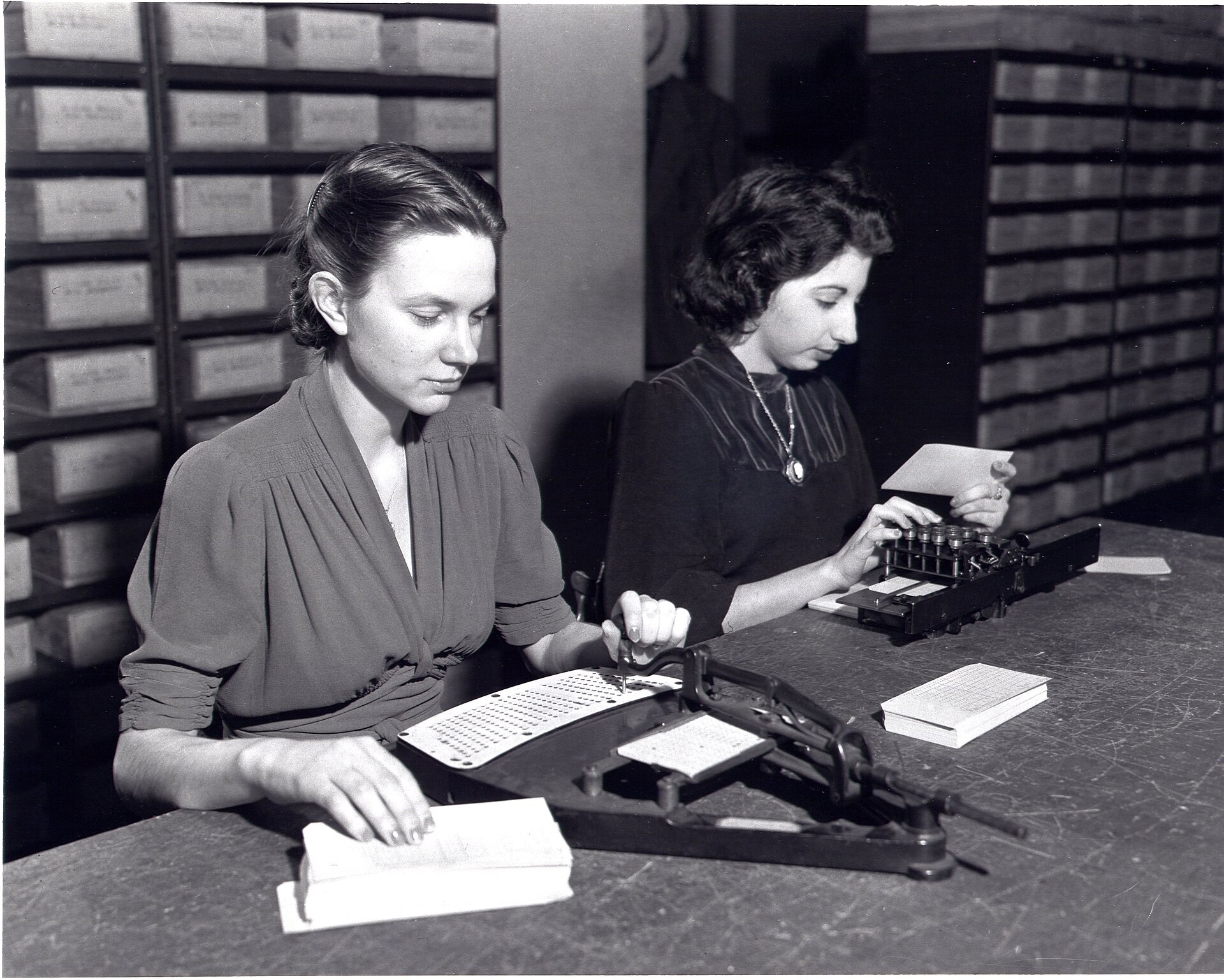
Where the work usually starts.
These are the most important tasks a language model can already handle directly. In a typical engagement the first wins come from building workflows around them, so they stop eating the team's time.
-
Maintain computer and manual records pertaining to facilities and equipment.
-
Designate cables available for use.
-
Diagnose and correct problems from remote locations, using special switchboards to find the sources of problems.
These are the most important tasks AI can already handle when paired with the right tools and context. The first wins usually come from building workflows around them. That is the difference between a model that could do the job and one that actually does it inside your business.
-
Note differences in wire and cable colors so that work can be performed correctly.
-
Maintain computer and manual records pertaining to facilities and equipment.
-
Designate cables available for use.
Every role has three or four places like these. Finding them takes an hour. Turning them into a workflow your team actually uses takes a few days.
Every task in the role.
Every O*NET task for this occupation, split by what AI can do unaided and what still needs a person. Importance is O*NET's 1 to 5 rating of how central each task is.
Tasks via O*NET "Telecommunications Equipment Installers and Repairers, Except Line Installers" (49-2022.00).
What AI can already do
10 of 39 tasks, unaided
Maintain computer and manual records pertaining to facilities and equipment.
Designate cables available for use.
Diagnose and correct problems from remote locations, using special switchboards to find the sources of problems.
Perform database verifications, using computers.
Request support from technical service centers when on-site procedures fail to solve installation or maintenance problems.
Program computerized switches and switchboards to provide requested features.
Enter codes needed to correct electronic switching system programming.
Install updated software and programs that maintain existing software or provide requested features, such as time-correlated call routing.
Refer to manufacturers' manuals to obtain maintenance instructions pertaining to specific malfunctions.
Review manufacturer's instructions, manuals, technical specifications, building permits, and ordinances to determine communication equipment requirements and procedures.
What still needs a person
29 of 39 tasks
Demonstrate equipment to customers and explain its use, responding to any inquiries or complaints.
Test circuits and components of malfunctioning telecommunications equipment to isolate sources of malfunctions, using test meters, circuit diagrams, polarity probes, and other hand tools.
Test repaired, newly installed, or updated equipment to ensure that it functions properly and conforms to specifications, using test equipment and observation.
Climb poles and ladders, use truck-mounted booms, and enter areas such as manholes and cable vaults to install, maintain, or inspect equipment.
Assemble and install communication equipment such as data and telephone communication lines, wiring, switching equipment, wiring frames, power apparatus, computer systems, and networks.
Run wires between components and to outside cable systems, connecting them to wires from telephone poles or underground cable accesses.
Drive crew trucks to and from work areas.
Test connections to ensure that power supplies are adequate and that communications links function.
Note differences in wire and cable colors so that work can be performed correctly.
Inspect equipment on a regular basis to ensure proper functioning.
Collaborate with other workers to locate and correct malfunctions.
Remove loose wires and other debris after work is completed.
Repair or replace faulty equipment, such as defective and damaged telephones, wires, switching system components, and associated equipment.
Route and connect cables and lines to switches, switchboard equipment, and distributing frames, using wire-wrap guns or soldering irons to connect wires to terminals.
Communicate with bases, using telephones or two-way radios to receive instructions or technical advice, or to report equipment status.
Remove and remake connections to change circuit layouts, following work orders or diagrams.
Clean and maintain tools, test equipment, and motor vehicles.
Analyze test readings, computer printouts, and trouble reports to determine equipment repair needs and required repair methods.
Examine telephone transmission facilities to determine requirements for new or additional telephone services.
Measure distances from landmarks to identify exact installation sites for equipment.
Adjust or modify equipment to enhance equipment performance or to respond to customer requests.
Perform routine maintenance on equipment, including adjusting and lubricating components and painting worn or exposed areas.
Determine viability of sites through observation, and discuss site locations and construction requirements with customers.
Remove and replace plug-in circuit equipment.
Install telephone station equipment, such as intercommunication systems, transmitters, receivers, relays, and ringers, and related apparatus, such as coin collectors, telephone booths, and switching-key equipment.
Dig holes or trenches as necessary for equipment installation and access.
Clean switches and replace contact points, using vacuum hoses, solvents, and hand tools.
Provide input into the design and manufacturing of new equipment.
Address special issues or situations, such as illegal or unauthorized use of equipment, or cases of electrical or acoustic shock.
Tasks via O*NET "Telecommunications Equipment Installers and Repairers, Except Line Installers" (49-2022.00).
What AI can already do
14 of 39 tasks, with tools
Note differences in wire and cable colors so that work can be performed correctly.
Maintain computer and manual records pertaining to facilities and equipment.
Designate cables available for use.
Diagnose and correct problems from remote locations, using special switchboards to find the sources of problems.
Perform database verifications, using computers.
Request support from technical service centers when on-site procedures fail to solve installation or maintenance problems.
Program computerized switches and switchboards to provide requested features.
Analyze test readings, computer printouts, and trouble reports to determine equipment repair needs and required repair methods.
Enter codes needed to correct electronic switching system programming.
Measure distances from landmarks to identify exact installation sites for equipment.
Install updated software and programs that maintain existing software or provide requested features, such as time-correlated call routing.
Refer to manufacturers' manuals to obtain maintenance instructions pertaining to specific malfunctions.
Review manufacturer's instructions, manuals, technical specifications, building permits, and ordinances to determine communication equipment requirements and procedures.
Provide input into the design and manufacturing of new equipment.
What still needs a person
25 of 39 tasks
Demonstrate equipment to customers and explain its use, responding to any inquiries or complaints.
Test circuits and components of malfunctioning telecommunications equipment to isolate sources of malfunctions, using test meters, circuit diagrams, polarity probes, and other hand tools.
Test repaired, newly installed, or updated equipment to ensure that it functions properly and conforms to specifications, using test equipment and observation.
Climb poles and ladders, use truck-mounted booms, and enter areas such as manholes and cable vaults to install, maintain, or inspect equipment.
Assemble and install communication equipment such as data and telephone communication lines, wiring, switching equipment, wiring frames, power apparatus, computer systems, and networks.
Run wires between components and to outside cable systems, connecting them to wires from telephone poles or underground cable accesses.
Drive crew trucks to and from work areas.
Test connections to ensure that power supplies are adequate and that communications links function.
Inspect equipment on a regular basis to ensure proper functioning.
Collaborate with other workers to locate and correct malfunctions.
Remove loose wires and other debris after work is completed.
Repair or replace faulty equipment, such as defective and damaged telephones, wires, switching system components, and associated equipment.
Route and connect cables and lines to switches, switchboard equipment, and distributing frames, using wire-wrap guns or soldering irons to connect wires to terminals.
Communicate with bases, using telephones or two-way radios to receive instructions or technical advice, or to report equipment status.
Remove and remake connections to change circuit layouts, following work orders or diagrams.
Clean and maintain tools, test equipment, and motor vehicles.
Examine telephone transmission facilities to determine requirements for new or additional telephone services.
Adjust or modify equipment to enhance equipment performance or to respond to customer requests.
Perform routine maintenance on equipment, including adjusting and lubricating components and painting worn or exposed areas.
Determine viability of sites through observation, and discuss site locations and construction requirements with customers.
Remove and replace plug-in circuit equipment.
Install telephone station equipment, such as intercommunication systems, transmitters, receivers, relays, and ringers, and related apparatus, such as coin collectors, telephone booths, and switching-key equipment.
Dig holes or trenches as necessary for equipment installation and access.
Clean switches and replace contact points, using vacuum hoses, solvents, and hand tools.
Address special issues or situations, such as illegal or unauthorized use of equipment, or cases of electrical or acoustic shock.
Stay on top of this.
An email when there is something worth reading: what is real in AI at work, what is noise, and what operators are doing about it.
Free. Unsubscribe any time.
Related occupations.
Other roles in Skilled trades occupations, and roles close by exposure.
What it means for your sector.
This role's score comes from Eloundou et al's 2023 task labels, weighted by O*NET importance within each O*NET-SOC code, then bridged to UK SOC 2020 through ISCO-08 (the ONS coding index) and US SOC 2010 (the BLS crosswalk). Employment and median pay come from ONS ASHE Table 14.7a, 2025 provisional, which covers employees only.
Back to the mapMethodologySources (PDF)Built 29 April 2026
Pictures
- "Census pantograph and 1930s keypunches" by U.S. Census Bureau employees, public domain, via Wikimedia Commons
- "Shepard Barclay, St. Louis lawyer, in his office" by Missouri Historical Society via DPLA, no known copyright restrictions, via Wikimedia Commons
- "Accountant's Office LCCN2016824374" by National Photo Company Collection, public domain, via Wikimedia Commons
- "Employment service in Oulu in the spring 1931" by Finnish Heritage Agency (Museovirasto), CC BY 4.0, via Wikimedia Commons