Telecoms and related network installers
and repairers
Telecoms and related network installers and repairers install, maintain and repair public and private telephone systems and maintain, test and repair telecoms cables.
- Employees (UK)
- 25k
- Median annual pay
- £39,652
- Exposure score ?
- 3.5/10 Low 8.8/10 Very high strict reading, with tools is 8.8/10 with-tools reading, strict is 3.5/10
- Wage exposure
- £347m £872m
Higher exposure than 91% of the 379 UK occupations we scored.
What this score means.
A few tasks in this role are within reach of AI, mostly paperwork, scheduling and routine writing. The shape of the role stays the same, and some parts get faster.
If you are in this role
Pick the two or three most repetitive things in your week and try a model on them. Most people underestimate what Claude or ChatGPT already does with admin-shaped work. The time you get back is the gain.
Almost every routine task in this role is within reach of today's models. Roles like this are being rebuilt, usually not by disappearing but by one person using AI to produce what several did.
If you are in this role
Be the person doing the rebuilding. People who learn to run this kind of work with AI become very valuable, and the ones who wait tend to have the change made for them.
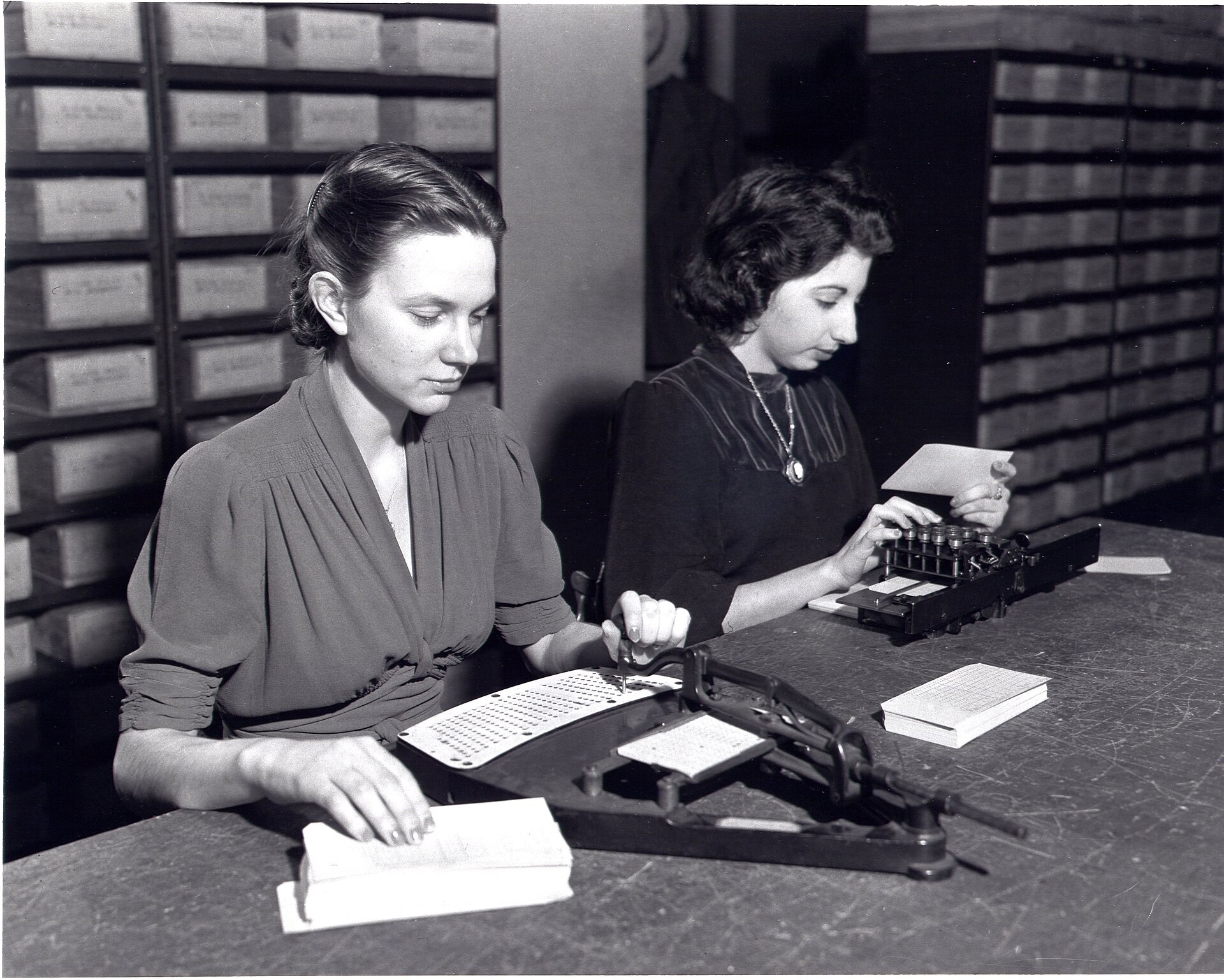
Where the work usually starts.
These are the most important tasks a language model can already handle directly. In a typical engagement the first wins come from building workflows around them, so they stop eating the team's time.
-
Integrate tags, readers, or software in radio frequency identification device (RFID) designs.
-
Perform systems analysis or programming of radio frequency identification device (RFID) technology.
-
Test radio frequency identification device (RFID) software to ensure proper functioning.
These are the most important tasks AI can already handle when paired with the right tools and context. The first wins usually come from building workflows around them. That is the difference between a model that could do the job and one that actually does it inside your business.
-
Integrate tags, readers, or software in radio frequency identification device (RFID) designs.
-
Identify operational requirements for new systems to inform selection of technological solutions.
-
Perform systems analysis or programming of radio frequency identification device (RFID) technology.
Every role has three or four places like these. Finding them takes an hour. Turning them into a workflow your team actually uses takes a few days.
Every task in the role.
Every O*NET task for this occupation, split by what AI can do unaided and what still needs a person. Importance is O*NET's 1 to 5 rating of how central each task is.
Tasks via O*NET "Radio Frequency Identification Device Specialists" (17-2072.01).
What AI can already do
9 of 21 tasks, unaided
Integrate tags, readers, or software in radio frequency identification device (RFID) designs.
Perform systems analysis or programming of radio frequency identification device (RFID) technology.
Test radio frequency identification device (RFID) software to ensure proper functioning.
Perform acceptance testing on newly installed or updated systems.
Determine means of integrating radio frequency identification device (RFID) into other applications.
Provide technical support for radio frequency identification device (RFID) technology.
Verify compliance of developed applications with architectural standards and established practices.
Develop process flows, work instructions, or standard operating procedures for radio frequency identification device (RFID) systems.
Document equipment or process details of radio frequency identification device (RFID) technology.
What still needs a person
12 of 21 tasks
Identify operational requirements for new systems to inform selection of technological solutions.
Select appropriate radio frequency identification device (RFID) tags and determine placement locations.
Perform site analyses to determine system configurations, processes to be impacted, or on-site obstacles to technology implementation.
Collect data about existing client hardware, software, networking, or key business processes to inform implementation of radio frequency identification device (RFID) technology.
Install, test, or maintain radio frequency identification device (RFID) systems.
Test tags or labels to ensure readability.
Determine usefulness of new radio frequency identification device (RFID) technologies.
Train users in details of system operation.
Read current literature, attend meetings or conferences, or talk with colleagues to stay abreast of industry research about new technologies.
Define and compare possible radio frequency identification device (RFID) solutions to inform selection for specific projects.
Create simulations or models of radio frequency identification device (RFID) systems to provide information for selection and configuration.
Analyze radio frequency identification device (RFID)-related supply chain data.
Tasks via O*NET "Radio Frequency Identification Device Specialists" (17-2072.01).
What AI can already do
19 of 21 tasks, with tools
Integrate tags, readers, or software in radio frequency identification device (RFID) designs.
Identify operational requirements for new systems to inform selection of technological solutions.
Perform systems analysis or programming of radio frequency identification device (RFID) technology.
Test radio frequency identification device (RFID) software to ensure proper functioning.
Select appropriate radio frequency identification device (RFID) tags and determine placement locations.
Perform site analyses to determine system configurations, processes to be impacted, or on-site obstacles to technology implementation.
Perform acceptance testing on newly installed or updated systems.
Determine means of integrating radio frequency identification device (RFID) into other applications.
Provide technical support for radio frequency identification device (RFID) technology.
Collect data about existing client hardware, software, networking, or key business processes to inform implementation of radio frequency identification device (RFID) technology.
Test tags or labels to ensure readability.
Determine usefulness of new radio frequency identification device (RFID) technologies.
Verify compliance of developed applications with architectural standards and established practices.
Develop process flows, work instructions, or standard operating procedures for radio frequency identification device (RFID) systems.
Read current literature, attend meetings or conferences, or talk with colleagues to stay abreast of industry research about new technologies.
Document equipment or process details of radio frequency identification device (RFID) technology.
Define and compare possible radio frequency identification device (RFID) solutions to inform selection for specific projects.
Create simulations or models of radio frequency identification device (RFID) systems to provide information for selection and configuration.
Analyze radio frequency identification device (RFID)-related supply chain data.
What still needs a person
2 of 21 tasks
Install, test, or maintain radio frequency identification device (RFID) systems.
Train users in details of system operation.
Stay on top of this.
An email when there is something worth reading: what is real in AI at work, what is noise, and what operators are doing about it.
Free. Unsubscribe any time.
Related occupations.
Other roles in Skilled trades occupations, and roles close by exposure.
What it means for your sector.
This role's score comes from Eloundou et al's 2023 task labels, weighted by O*NET importance within each O*NET-SOC code, then bridged to UK SOC 2020 through ISCO-08 (the ONS coding index) and US SOC 2010 (the BLS crosswalk). Employment and median pay come from ONS ASHE Table 14.7a, 2025 provisional, which covers employees only.
Back to the mapMethodologySources (PDF)Built 29 April 2026
Pictures
- "Census pantograph and 1930s keypunches" by U.S. Census Bureau employees, public domain, via Wikimedia Commons
- "Shepard Barclay, St. Louis lawyer, in his office" by Missouri Historical Society via DPLA, no known copyright restrictions, via Wikimedia Commons
- "Accountant's Office LCCN2016824374" by National Photo Company Collection, public domain, via Wikimedia Commons
- "Employment service in Oulu in the spring 1931" by Finnish Heritage Agency (Museovirasto), CC BY 4.0, via Wikimedia Commons