Sports coaches
instructors and officials
Sports coaches, instructors and officials work with amateur and professional sportsmen and women to enhance performance, encourage greater participation in sport, supervise recreational activities such as canoeing and mountaineering, and organise and officiate at sporting events according to established rules.
- Employees (UK)
- 62k
- Median annual pay
- £12,570
- Exposure score ?
- 1.6/10 Minimal 5.2/10 Moderate strict reading, with tools is 5.2/10 with-tools reading, strict is 1.6/10
- Wage exposure
- £125m £405m
Higher exposure than 73% of the 379 UK occupations we scored.
What this score means.
Most of this role's work is still hard for AI: physical presence, practised skill, judgement in context and direct care, the things that do not turn into text.
If you are in this role
Nothing here is under pressure today, but the frontier moves. Learn enough to direct AI at the paperwork around the job. People in hands-on roles who can do that become unusually useful inside their organisations.
A real share of the task list is within reach, especially drafting, summarising, research and analysis. People in this role who learn to direct AI well will pull ahead of those who do not.
If you are in this role
Treat AI like a capable junior you manage. Where you would hand a task to a junior with a clear brief, AI can do it now. Spend the time you get back on judgement and relationships.
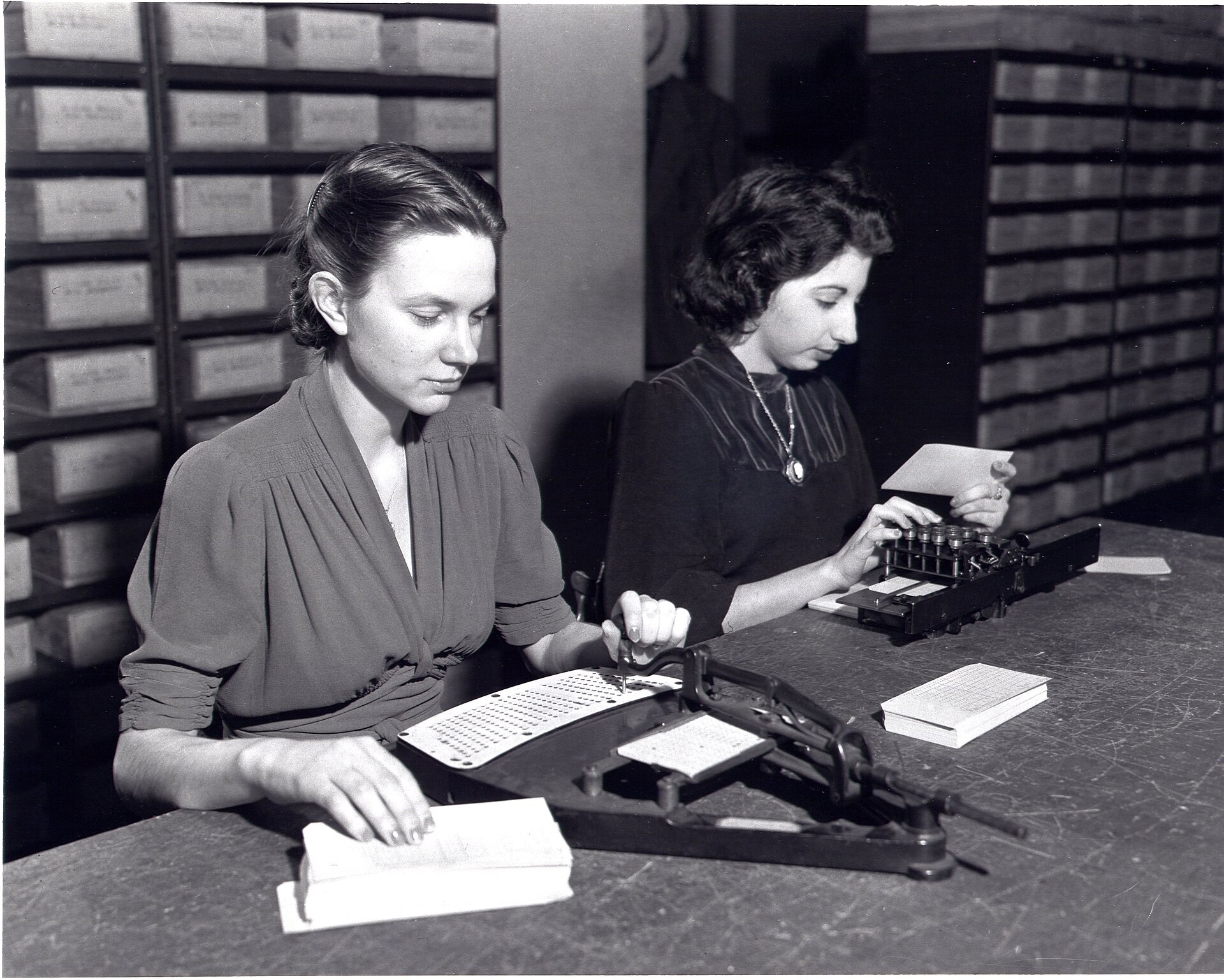
Where the work usually starts.
These are the most important tasks a language model can already handle directly. In a typical engagement the first wins come from building workflows around them, so they stop eating the team's time.
-
Maintain accurate and complete student records as required by administrative policy.
-
Establish clear objectives for all lessons, units, and projects and communicate those objectives to students.
-
Prepare instructional program objectives, outlines, and lesson plans.
These are the most important tasks AI can already handle when paired with the right tools and context. The first wins usually come from building workflows around them. That is the difference between a model that could do the job and one that actually does it inside your business.
-
Adapt teaching methods and instructional materials to meet students' varying needs and interests.
-
Maintain accurate and complete student records as required by administrative policy.
-
Monitor students' performance to make suggestions for improvement and to ensure that they satisfy course standards, training requirements, and objectives.
Every role has three or four places like these. Finding them takes an hour. Turning them into a workflow your team actually uses takes a few days.
Every task in the role.
Every O*NET task for this occupation, split by what AI can do unaided and what still needs a person. Importance is O*NET's 1 to 5 rating of how central each task is.
Tasks via O*NET "Self-Enrichment Teachers" (25-3021.00).
What AI can already do
5 of 30 tasks, unaided
Maintain accurate and complete student records as required by administrative policy.
Establish clear objectives for all lessons, units, and projects and communicate those objectives to students.
Prepare instructional program objectives, outlines, and lesson plans.
Observe and evaluate the performance of other instructors.
Write instructional articles on designated subjects.
What still needs a person
25 of 30 tasks
Instruct students individually and in groups, using various teaching methods, such as lectures, discussions, and demonstrations.
Adapt teaching methods and instructional materials to meet students' varying needs and interests.
Prepare students for further development by encouraging them to explore learning opportunities and to persevere with challenging tasks.
Observe students to determine qualifications, limitations, abilities, interests, and other individual characteristics.
Monitor students' performance to make suggestions for improvement and to ensure that they satisfy course standards, training requirements, and objectives.
Prepare and administer written, oral, and performance tests, and issue grades in accordance with performance.
Assign and grade class work and homework.
Conduct classes, workshops, and demonstrations, and provide individual instruction to teach topics and skills, such as cooking, dancing, writing, physical fitness, photography, personal finance, and flying.
Instruct and monitor students in the use and care of equipment and materials to prevent injury and damage.
Confer with other teachers and professionals to plan and schedule lessons promoting learning and development.
Prepare materials and classrooms for class activities.
Meet with parents and guardians to discuss their children's progress and to determine their priorities for their children.
Enforce policies and rules governing students.
Review instructional content, methods, and student evaluations to assess strengths and weaknesses, and to develop recommendations for course revision, development, or elimination.
Meet with other instructors to discuss individual students and their progress.
Schedule class times to ensure maximum attendance.
Prepare and implement remedial programs for students requiring extra help.
Plan and conduct activities for a balanced program of instruction, demonstration, and work time that provides students with opportunities to observe, question, and investigate.
Use computers, audio-visual aids, and other equipment and materials to supplement presentations.
Attend professional meetings, conferences, and workshops to maintain and improve professional competence.
Plan and supervise class projects, field trips, visits by guest speakers, contests, or other experiential activities, and guide students in learning from those activities.
Attend staff meetings and serve on committees, as required.
Organize and supervise games and other recreational activities to promote physical, mental, and social development.
Select, order, and issue books, materials, and supplies for courses or projects.
Participate in publicity planning and student recruitment.
Tasks via O*NET "Self-Enrichment Teachers" (25-3021.00).
What AI can already do
17 of 30 tasks, with tools
Adapt teaching methods and instructional materials to meet students' varying needs and interests.
Maintain accurate and complete student records as required by administrative policy.
Monitor students' performance to make suggestions for improvement and to ensure that they satisfy course standards, training requirements, and objectives.
Prepare and administer written, oral, and performance tests, and issue grades in accordance with performance.
Establish clear objectives for all lessons, units, and projects and communicate those objectives to students.
Assign and grade class work and homework.
Prepare instructional program objectives, outlines, and lesson plans.
Confer with other teachers and professionals to plan and schedule lessons promoting learning and development.
Review instructional content, methods, and student evaluations to assess strengths and weaknesses, and to develop recommendations for course revision, development, or elimination.
Schedule class times to ensure maximum attendance.
Prepare and implement remedial programs for students requiring extra help.
Plan and conduct activities for a balanced program of instruction, demonstration, and work time that provides students with opportunities to observe, question, and investigate.
Observe and evaluate the performance of other instructors.
Use computers, audio-visual aids, and other equipment and materials to supplement presentations.
Select, order, and issue books, materials, and supplies for courses or projects.
Participate in publicity planning and student recruitment.
Write instructional articles on designated subjects.
What still needs a person
13 of 30 tasks
Instruct students individually and in groups, using various teaching methods, such as lectures, discussions, and demonstrations.
Prepare students for further development by encouraging them to explore learning opportunities and to persevere with challenging tasks.
Observe students to determine qualifications, limitations, abilities, interests, and other individual characteristics.
Conduct classes, workshops, and demonstrations, and provide individual instruction to teach topics and skills, such as cooking, dancing, writing, physical fitness, photography, personal finance, and flying.
Instruct and monitor students in the use and care of equipment and materials to prevent injury and damage.
Prepare materials and classrooms for class activities.
Meet with parents and guardians to discuss their children's progress and to determine their priorities for their children.
Enforce policies and rules governing students.
Meet with other instructors to discuss individual students and their progress.
Attend professional meetings, conferences, and workshops to maintain and improve professional competence.
Plan and supervise class projects, field trips, visits by guest speakers, contests, or other experiential activities, and guide students in learning from those activities.
Attend staff meetings and serve on committees, as required.
Organize and supervise games and other recreational activities to promote physical, mental, and social development.
Stay on top of this.
An email when there is something worth reading: what is real in AI at work, what is noise, and what operators are doing about it.
Free. Unsubscribe any time.
Related occupations.
Other roles in Associate professional occupations, and roles close by exposure.
What it means for your sector.

This role's score comes from Eloundou et al's 2023 task labels, weighted by O*NET importance within each O*NET-SOC code, then bridged to UK SOC 2020 through ISCO-08 (the ONS coding index) and US SOC 2010 (the BLS crosswalk). Employment and median pay come from ONS ASHE Table 14.7a, 2025 provisional, which covers employees only.
Back to the mapMethodologySources (PDF)Built 29 April 2026
Pictures
- "Census pantograph and 1930s keypunches" by U.S. Census Bureau employees, public domain, via Wikimedia Commons
- "Shepard Barclay, St. Louis lawyer, in his office" by Missouri Historical Society via DPLA, no known copyright restrictions, via Wikimedia Commons
- "Accountant's Office LCCN2016824374" by National Photo Company Collection, public domain, via Wikimedia Commons
- "Employment service in Oulu in the spring 1931" by Finnish Heritage Agency (Museovirasto), CC BY 4.0, via Wikimedia Commons