Printers
Printers set up and operate various small offset printing presses and digital printing processes.
- Employees (UK)
- 8k
- Median annual pay
- £31,367
- Exposure score ?
- 2.1/10 Low 4.3/10 Moderate strict reading, with tools is 4.3/10 with-tools reading, strict is 2.1/10
- Wage exposure
- £53m £108m
Higher exposure than 83% of the 379 UK occupations we scored.
What this score means.
A few tasks in this role are within reach of AI, mostly paperwork, scheduling and routine writing. The shape of the role stays the same, and some parts get faster.
If you are in this role
Pick the two or three most repetitive things in your week and try a model on them. Most people underestimate what Claude or ChatGPT already does with admin-shaped work. The time you get back is the gain.
A real share of the task list is within reach, especially drafting, summarising, research and analysis. People in this role who learn to direct AI well will pull ahead of those who do not.
If you are in this role
Treat AI like a capable junior you manage. Where you would hand a task to a junior with a clear brief, AI can do it now. Spend the time you get back on judgement and relationships.
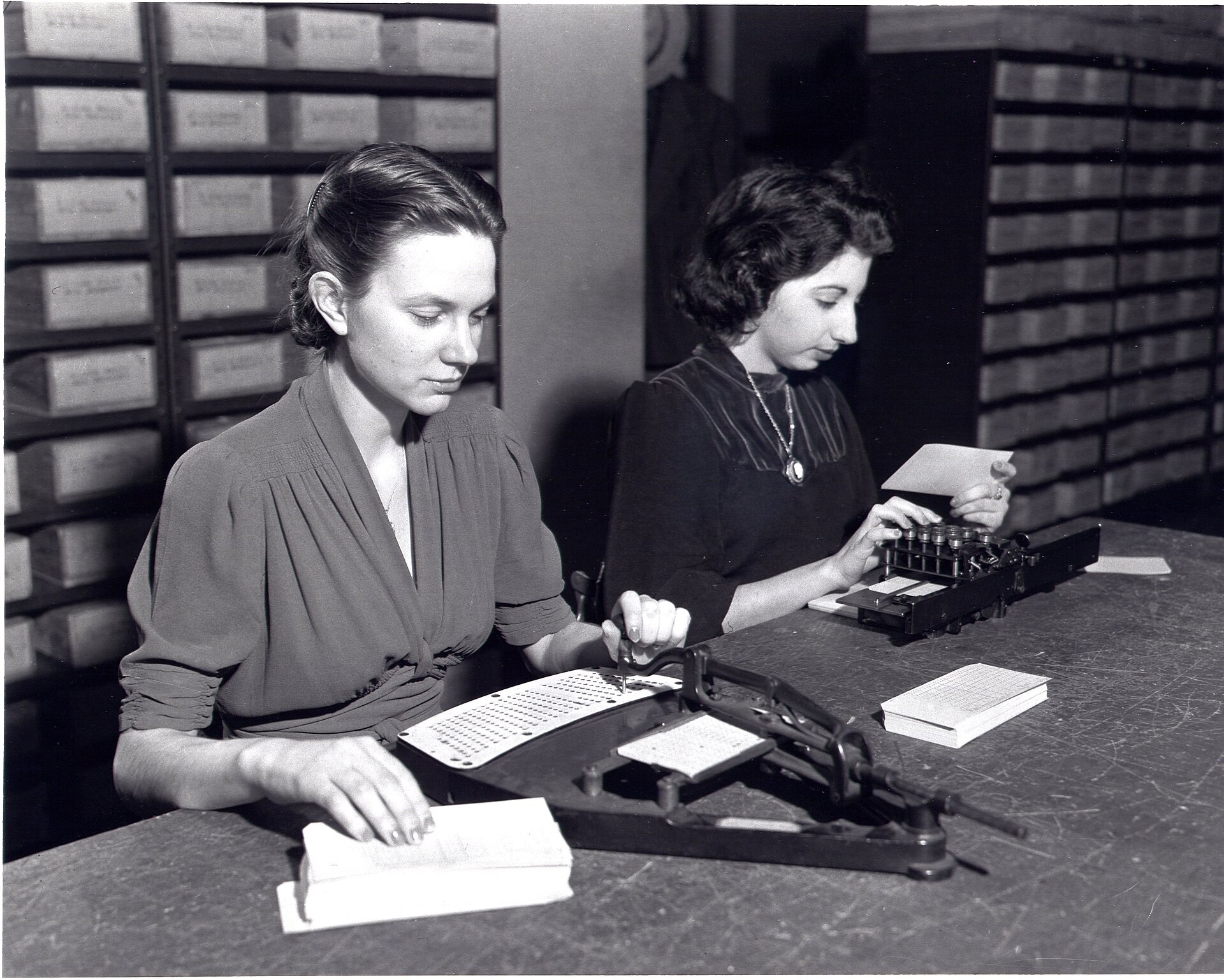
Where the work usually starts.
These are the most important tasks a language model can already handle directly. In a typical engagement the first wins come from building workflows around them, so they stop eating the team's time.
-
Download or scan files to be printed, using printing production software.
-
Input production job settings into workstation terminals that control automated printing systems.
-
Download completed jobs to archive media so that questions can be answered or jobs replicated.
These are the most important tasks AI can already handle when paired with the right tools and context. The first wins usually come from building workflows around them. That is the difference between a model that could do the job and one that actually does it inside your business.
-
Verify that paper and ink meet the specifications for a given job.
-
Collect and inspect random samples during print runs to identify any necessary adjustments.
-
Monitor automated press operation systems and respond to fault, error, or alert messages.
Every role has three or four places like these. Finding them takes an hour. Turning them into a workflow your team actually uses takes a few days.
Every task in the role.
Every O*NET task for this occupation, split by what AI can do unaided and what still needs a person. Importance is O*NET's 1 to 5 rating of how central each task is.
Tasks via O*NET "Printing Press Operators" (51-5112.00).
What AI can already do
5 of 23 tasks, unaided
Download or scan files to be printed, using printing production software.
Input production job settings into workstation terminals that control automated printing systems.
Download completed jobs to archive media so that questions can be answered or jobs replicated.
Maintain time or production records.
Control workflow scheduling or job tracking, using computer database software.
What still needs a person
18 of 23 tasks
Start presses and pull proofs to check for ink coverage and density, alignment, and registration.
Examine job orders to determine quantities to be printed, stock specifications, colors, or special printing instructions.
Adjust ink fountain flow rates.
Verify that paper and ink meet the specifications for a given job.
Collect and inspect random samples during print runs to identify any necessary adjustments.
Feed paper through press cylinders and adjust feed and tension controls.
Monitor automated press operation systems and respond to fault, error, or alert messages.
Load presses with paper and make necessary adjustments, according to paper size.
Secure printing plates to printing units and adjust tolerances.
Clean ink fountains, plates, or printing unit cylinders when press runs are completed.
Change press plates, blankets, or cylinders, as required.
Obtain or mix inks and fill ink fountains.
Adjust digital files to alter print elements, such as fonts, graphics, or color separations.
Clean or oil presses or make minor repairs, using hand tools.
Direct or monitor work of press crews.
Monitor inventory levels on a regular basis, ordering or requesting additional supplies, as necessary.
Monitor environmental factors, such as humidity and temperature, that may impact equipment performance and make necessary adjustments.
Set up or operate auxiliary equipment, such as cutting, folding, plate-making, drilling, or laminating machines.
Tasks via O*NET "Printing Press Operators" (51-5112.00).
What AI can already do
10 of 23 tasks, with tools
Verify that paper and ink meet the specifications for a given job.
Collect and inspect random samples during print runs to identify any necessary adjustments.
Monitor automated press operation systems and respond to fault, error, or alert messages.
Download or scan files to be printed, using printing production software.
Adjust digital files to alter print elements, such as fonts, graphics, or color separations.
Input production job settings into workstation terminals that control automated printing systems.
Download completed jobs to archive media so that questions can be answered or jobs replicated.
Maintain time or production records.
Control workflow scheduling or job tracking, using computer database software.
Monitor inventory levels on a regular basis, ordering or requesting additional supplies, as necessary.
What still needs a person
13 of 23 tasks
Start presses and pull proofs to check for ink coverage and density, alignment, and registration.
Examine job orders to determine quantities to be printed, stock specifications, colors, or special printing instructions.
Adjust ink fountain flow rates.
Feed paper through press cylinders and adjust feed and tension controls.
Load presses with paper and make necessary adjustments, according to paper size.
Secure printing plates to printing units and adjust tolerances.
Clean ink fountains, plates, or printing unit cylinders when press runs are completed.
Change press plates, blankets, or cylinders, as required.
Obtain or mix inks and fill ink fountains.
Clean or oil presses or make minor repairs, using hand tools.
Direct or monitor work of press crews.
Monitor environmental factors, such as humidity and temperature, that may impact equipment performance and make necessary adjustments.
Set up or operate auxiliary equipment, such as cutting, folding, plate-making, drilling, or laminating machines.
Stay on top of this.
An email when there is something worth reading: what is real in AI at work, what is noise, and what operators are doing about it.
Free. Unsubscribe any time.
Related occupations.
Other roles in Skilled trades occupations, and roles close by exposure.
What it means for your sector.
This role's score comes from Eloundou et al's 2023 task labels, weighted by O*NET importance within each O*NET-SOC code, then bridged to UK SOC 2020 through ISCO-08 (the ONS coding index) and US SOC 2010 (the BLS crosswalk). Employment and median pay come from ONS ASHE Table 14.7a, 2025 provisional, which covers employees only.
Back to the mapMethodologySources (PDF)Built 29 April 2026
Pictures
- "Census pantograph and 1930s keypunches" by U.S. Census Bureau employees, public domain, via Wikimedia Commons
- "Shepard Barclay, St. Louis lawyer, in his office" by Missouri Historical Society via DPLA, no known copyright restrictions, via Wikimedia Commons
- "Accountant's Office LCCN2016824374" by National Photo Company Collection, public domain, via Wikimedia Commons
- "Employment service in Oulu in the spring 1931" by Finnish Heritage Agency (Museovirasto), CC BY 4.0, via Wikimedia Commons