Health care practice managers
Healthcare practice managers plan, organise, direct and co-ordinate the work and resources of medical, dental and other types of healthcare practice, including veterinary practices.
- Employees (UK)
- 15k
- Median annual pay
- £38,941
- Exposure score ?
- 6.0/10 High 9.7/10 Very high strict reading, with tools is 9.7/10 with-tools reading, strict is 6.0/10
- Wage exposure
- £350m £567m
Higher exposure than 97% of the 379 UK occupations we scored.
What this score means.
Most of the routine work in this role can already be done by a capable model. The role does not disappear, but its shape changes, and one person can credibly cover the work of several.
If you are in this role
Stop spending time on what a model can do well. Your value is judgement, relationships and the parts of the work that need you in the room. Redesign the workflow around that before someone else does it for you.
Almost every routine task in this role is within reach of today's models. Roles like this are being rebuilt, usually not by disappearing but by one person using AI to produce what several did.
If you are in this role
Be the person doing the rebuilding. People who learn to run this kind of work with AI become very valuable, and the ones who wait tend to have the change made for them.
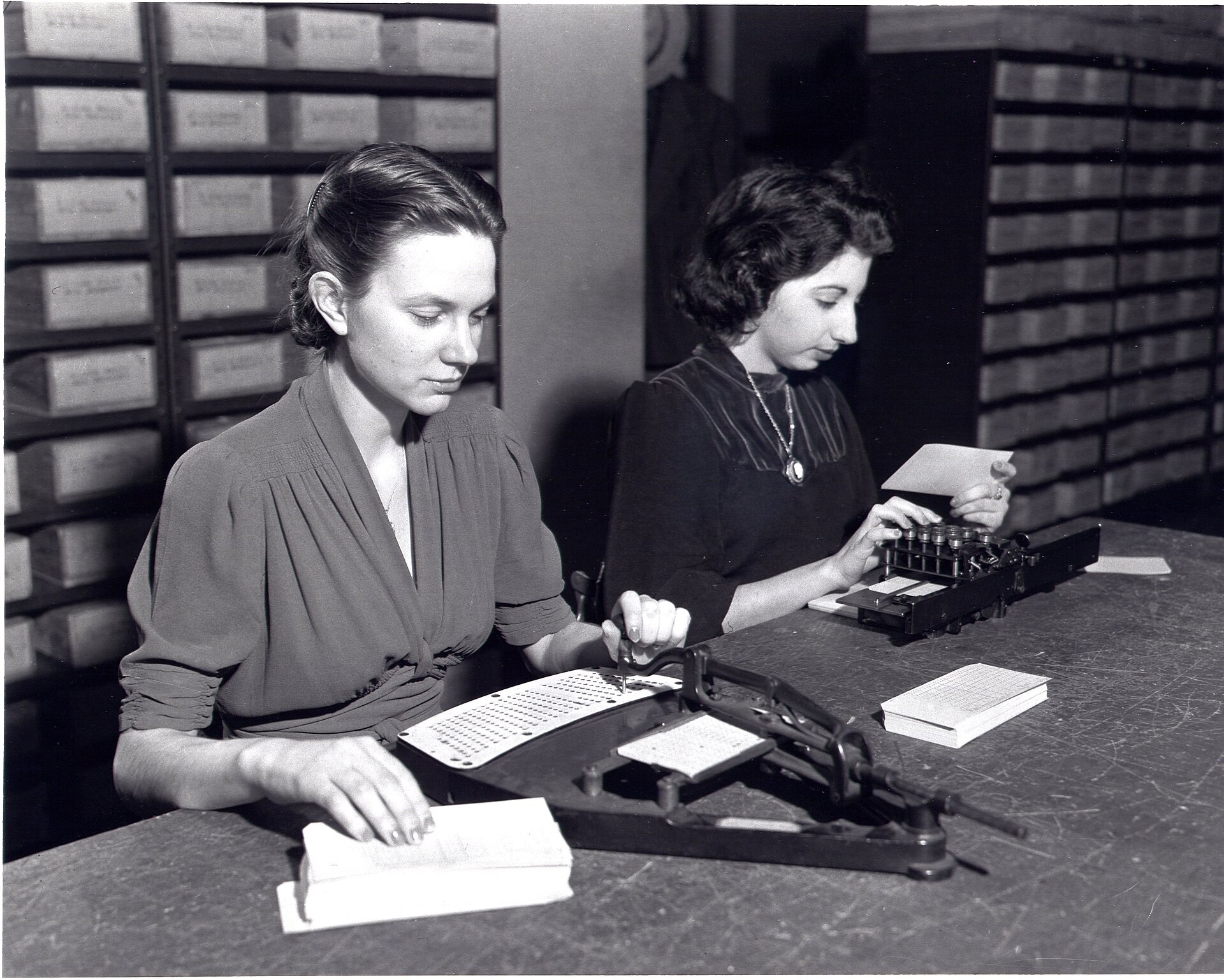
Where the work usually starts.
These are the most important tasks a language model can already handle directly. In a typical engagement the first wins come from building workflows around them, so they stop eating the team's time.
-
Return dictated reports in printed or electronic form for physician's review, signature, and corrections and for inclusion in patients' medical records.
-
Produce medical reports, correspondence, records, patient-care information, statistics, medical research, and administrative material.
-
Identify mistakes in reports and check with doctors to obtain the correct information.
These are the most important tasks AI can already handle when paired with the right tools and context. The first wins usually come from building workflows around them. That is the difference between a model that could do the job and one that actually does it inside your business.
-
Return dictated reports in printed or electronic form for physician's review, signature, and corrections and for inclusion in patients' medical records.
-
Produce medical reports, correspondence, records, patient-care information, statistics, medical research, and administrative material.
-
Identify mistakes in reports and check with doctors to obtain the correct information.
Every role has three or four places like these. Finding them takes an hour. Turning them into a workflow your team actually uses takes a few days.
Every task in the role.
Every O*NET task for this occupation, split by what AI can do unaided and what still needs a person. Importance is O*NET's 1 to 5 rating of how central each task is.
Tasks via O*NET "Medical Transcriptionists" (31-9094.00).
What AI can already do
12 of 15 tasks, unaided
Return dictated reports in printed or electronic form for physician's review, signature, and corrections and for inclusion in patients' medical records.
Produce medical reports, correspondence, records, patient-care information, statistics, medical research, and administrative material.
Identify mistakes in reports and check with doctors to obtain the correct information.
Review and edit transcribed reports or dictated material for spelling, grammar, clarity, consistency, and proper medical terminology.
Transcribe dictation for a variety of medical reports, such as patient histories, physical examinations, emergency room visits, operations, chart reviews, consultation, or discharge summaries.
Distinguish between homonyms and recognize inconsistencies and mistakes in medical terms, referring to dictionaries, drug references, and other sources on anatomy, physiology, and medicine.
Translate medical jargon and abbreviations into their expanded forms to ensure the accuracy of patient and health care facility records.
Perform data entry and data retrieval services, providing data for inclusion in medical records and for transmission to physicians.
Take dictation using shorthand, a stenotype machine, or headsets and transcribing machines.
Answer inquiries concerning the progress of medical cases, within the limits of confidentiality laws.
Perform a variety of clerical and office tasks, such as handling incoming and outgoing mail, completing and submitting insurance claims, typing, filing, or operating office machines.
Decide which information should be included or excluded in reports.
What still needs a person
3 of 15 tasks
Set up and maintain medical files and databases, including records such as x-ray, lab, and procedure reports, medical histories, diagnostic workups, admission and discharge summaries, and clinical resumes.
Receive patients, schedule appointments, and maintain patient records.
Receive and screen telephone calls and visitors.
Tasks via O*NET "Medical Transcriptionists" (31-9094.00).
What AI can already do
14 of 15 tasks, with tools
Return dictated reports in printed or electronic form for physician's review, signature, and corrections and for inclusion in patients' medical records.
Produce medical reports, correspondence, records, patient-care information, statistics, medical research, and administrative material.
Identify mistakes in reports and check with doctors to obtain the correct information.
Review and edit transcribed reports or dictated material for spelling, grammar, clarity, consistency, and proper medical terminology.
Transcribe dictation for a variety of medical reports, such as patient histories, physical examinations, emergency room visits, operations, chart reviews, consultation, or discharge summaries.
Distinguish between homonyms and recognize inconsistencies and mistakes in medical terms, referring to dictionaries, drug references, and other sources on anatomy, physiology, and medicine.
Set up and maintain medical files and databases, including records such as x-ray, lab, and procedure reports, medical histories, diagnostic workups, admission and discharge summaries, and clinical resumes.
Translate medical jargon and abbreviations into their expanded forms to ensure the accuracy of patient and health care facility records.
Perform data entry and data retrieval services, providing data for inclusion in medical records and for transmission to physicians.
Receive patients, schedule appointments, and maintain patient records.
Take dictation using shorthand, a stenotype machine, or headsets and transcribing machines.
Answer inquiries concerning the progress of medical cases, within the limits of confidentiality laws.
Perform a variety of clerical and office tasks, such as handling incoming and outgoing mail, completing and submitting insurance claims, typing, filing, or operating office machines.
Decide which information should be included or excluded in reports.
What still needs a person
1 of 15 tasks
Receive and screen telephone calls and visitors.
Stay on top of this.
An email when there is something worth reading: what is real in AI at work, what is noise, and what operators are doing about it.
Free. Unsubscribe any time.
Related occupations.
Other roles in Managers, directors and senior officials, and roles close by exposure.
What it means for your sector.
This role's score comes from Eloundou et al's 2023 task labels, weighted by O*NET importance within each O*NET-SOC code, then bridged to UK SOC 2020 through ISCO-08 (the ONS coding index) and US SOC 2010 (the BLS crosswalk). Employment and median pay come from ONS ASHE Table 14.7a, 2025 provisional, which covers employees only.
Back to the mapMethodologySources (PDF)Built 29 April 2026
Pictures
- "Census pantograph and 1930s keypunches" by U.S. Census Bureau employees, public domain, via Wikimedia Commons
- "Shepard Barclay, St. Louis lawyer, in his office" by Missouri Historical Society via DPLA, no known copyright restrictions, via Wikimedia Commons
- "Accountant's Office LCCN2016824374" by National Photo Company Collection, public domain, via Wikimedia Commons
- "Employment service in Oulu in the spring 1931" by Finnish Heritage Agency (Museovirasto), CC BY 4.0, via Wikimedia Commons