Optometrists
Ophthalmic opticians test patients’ vision, diagnose defects and disorders and prescribe glasses or contact lenses as required.
- Employees (UK)
- 14k
- Median annual pay
- £38,743
- Exposure score ?
- 0.0/10 Minimal 6.0/10 High strict reading, with tools is 6.0/10 with-tools reading, strict is 0.0/10
- Wage exposure
- £0 £0
Higher exposure than 2% of the 379 UK occupations we scored.
What this score means.
Most of this role's work is still hard for AI: physical presence, practised skill, judgement in context and direct care, the things that do not turn into text.
If you are in this role
Nothing here is under pressure today, but the frontier moves. Learn enough to direct AI at the paperwork around the job. People in hands-on roles who can do that become unusually useful inside their organisations.
Most of the routine work in this role can already be done by a capable model. The role does not disappear, but its shape changes, and one person can credibly cover the work of several.
If you are in this role
Stop spending time on what a model can do well. Your value is judgement, relationships and the parts of the work that need you in the room. Redesign the workflow around that before someone else does it for you.
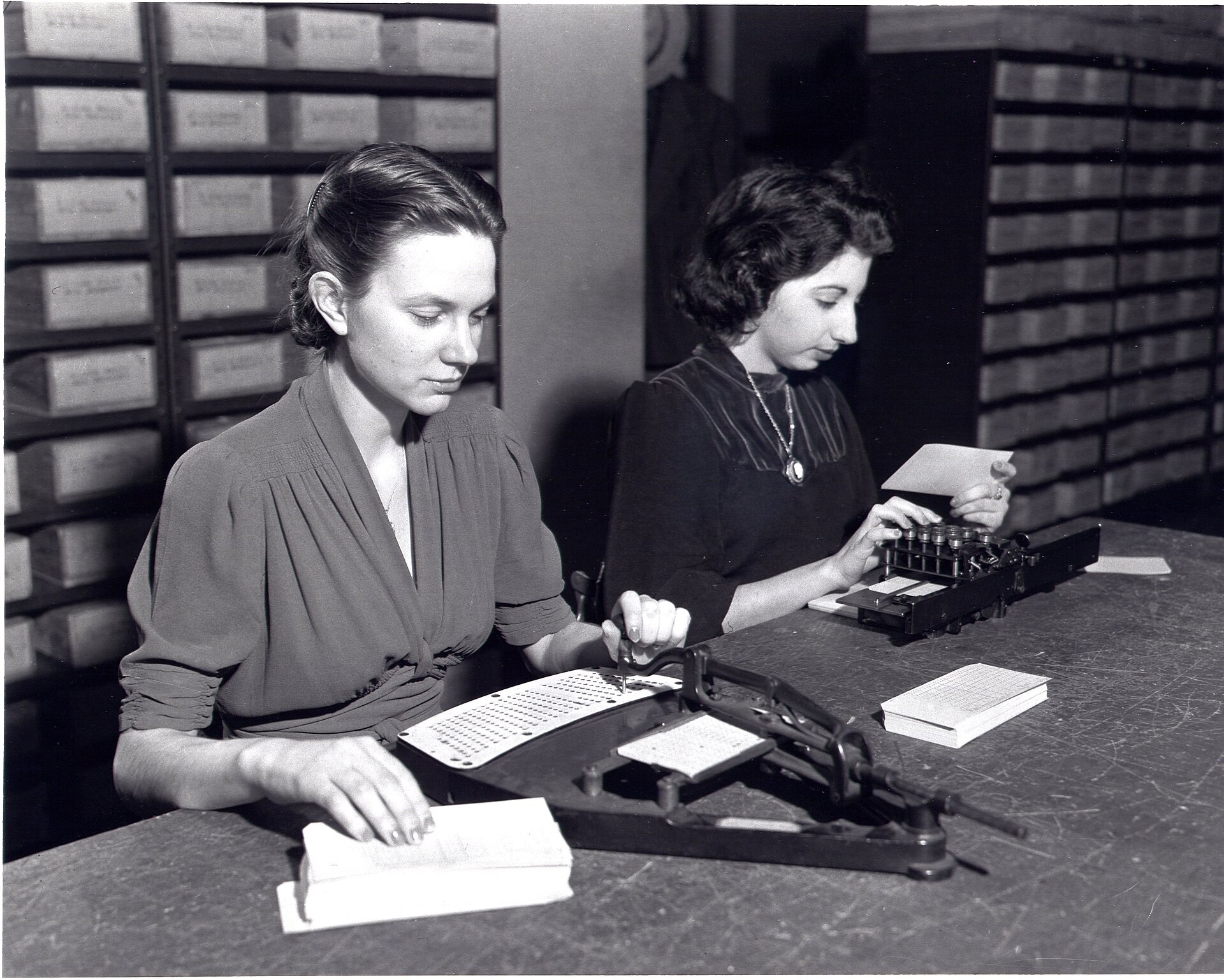
Where the work usually starts.
This role's strict reading is low because its top tasks are judgement, not drafting. The three highest-stakes tasks below are still usually where the work starts. Switch to With tools to see what AI plus the right context can take on.
-
Examine eyes, using observation, instruments, and pharmaceutical agents, to determine visual acuity and perception, focus, and coordination and to diagnose diseases and other abnormalities, such as glaucoma or color blindness.
-
Analyze test results and develop a treatment plan.
-
Prescribe, supply, fit and adjust eyeglasses, contact lenses, and other vision aids.
These are the most important tasks AI can already handle when paired with the right tools and context. The first wins usually come from building workflows around them. That is the difference between a model that could do the job and one that actually does it inside your business.
-
Analyze test results and develop a treatment plan.
-
Prescribe medications to treat eye diseases if state laws permit.
-
Educate and counsel patients on contact lens care, visual hygiene, lighting arrangements, and safety factors.
Every role has three or four places like these. Finding them takes an hour. Turning them into a workflow your team actually uses takes a few days.
Every task in the role.
Every O*NET task for this occupation, split by what AI can do unaided and what still needs a person. Importance is O*NET's 1 to 5 rating of how central each task is.
Tasks via O*NET "Optometrists" (29-1041.00).
What AI can already do
0 of 10 tasks, unaided
No tasks here are labelled as something an LLM can do unaided. Switch to 'With tools' above to see what changes when AI is paired with the right context.
What still needs a person
10 of 10 tasks
Examine eyes, using observation, instruments, and pharmaceutical agents, to determine visual acuity and perception, focus, and coordination and to diagnose diseases and other abnormalities, such as glaucoma or color blindness.
Analyze test results and develop a treatment plan.
Prescribe, supply, fit and adjust eyeglasses, contact lenses, and other vision aids.
Prescribe medications to treat eye diseases if state laws permit.
Educate and counsel patients on contact lens care, visual hygiene, lighting arrangements, and safety factors.
Remove foreign bodies from the eye.
Provide patients undergoing eye surgeries, such as cataract and laser vision correction, with pre- and post-operative care.
Consult with and refer patients to ophthalmologist or other health care practitioner if additional medical treatment is determined necessary.
Prescribe therapeutic procedures to correct or conserve vision.
Provide vision therapy and low-vision rehabilitation.
Tasks via O*NET "Optometrists" (29-1041.00).
What AI can already do
6 of 10 tasks, with tools
Analyze test results and develop a treatment plan.
Prescribe medications to treat eye diseases if state laws permit.
Educate and counsel patients on contact lens care, visual hygiene, lighting arrangements, and safety factors.
Provide patients undergoing eye surgeries, such as cataract and laser vision correction, with pre- and post-operative care.
Consult with and refer patients to ophthalmologist or other health care practitioner if additional medical treatment is determined necessary.
Prescribe therapeutic procedures to correct or conserve vision.
What still needs a person
4 of 10 tasks
Examine eyes, using observation, instruments, and pharmaceutical agents, to determine visual acuity and perception, focus, and coordination and to diagnose diseases and other abnormalities, such as glaucoma or color blindness.
Prescribe, supply, fit and adjust eyeglasses, contact lenses, and other vision aids.
Remove foreign bodies from the eye.
Provide vision therapy and low-vision rehabilitation.
Stay on top of this.
An email when there is something worth reading: what is real in AI at work, what is noise, and what operators are doing about it.
Free. Unsubscribe any time.
Related occupations.
Other roles in Professional occupations, and roles close by exposure.
What it means for your sector.
This role's score comes from Eloundou et al's 2023 task labels, weighted by O*NET importance within each O*NET-SOC code, then bridged to UK SOC 2020 through ISCO-08 (the ONS coding index) and US SOC 2010 (the BLS crosswalk). Employment and median pay come from ONS ASHE Table 14.7a, 2025 provisional, which covers employees only.
Back to the mapMethodologySources (PDF)Built 29 April 2026
Pictures
- "Census pantograph and 1930s keypunches" by U.S. Census Bureau employees, public domain, via Wikimedia Commons
- "Shepard Barclay, St. Louis lawyer, in his office" by Missouri Historical Society via DPLA, no known copyright restrictions, via Wikimedia Commons
- "Accountant's Office LCCN2016824374" by National Photo Company Collection, public domain, via Wikimedia Commons
- "Employment service in Oulu in the spring 1931" by Finnish Heritage Agency (Museovirasto), CC BY 4.0, via Wikimedia Commons