Company secretaries
and administrators
Company secretaries (excluding professional/chartered company secretaries) file and maintain company records, translate notes and dictation into typewritten form and perform other clerical tasks within commercial organisations.
- Employees (UK)
- -
- Median annual pay
- -
- Exposure score ?
- 3.6/10 Low 9.1/10 Very high strict reading, with tools is 9.1/10 with-tools reading, strict is 3.6/10
- Wage exposure
- - -
Higher exposure than 92% of the 379 UK occupations we scored.
What this score means.
A few tasks in this role are within reach of AI, mostly paperwork, scheduling and routine writing. The shape of the role stays the same, and some parts get faster.
If you are in this role
Pick the two or three most repetitive things in your week and try a model on them. Most people underestimate what Claude or ChatGPT already does with admin-shaped work. The time you get back is the gain.
Almost every routine task in this role is within reach of today's models. Roles like this are being rebuilt, usually not by disappearing but by one person using AI to produce what several did.
If you are in this role
Be the person doing the rebuilding. People who learn to run this kind of work with AI become very valuable, and the ones who wait tend to have the change made for them.
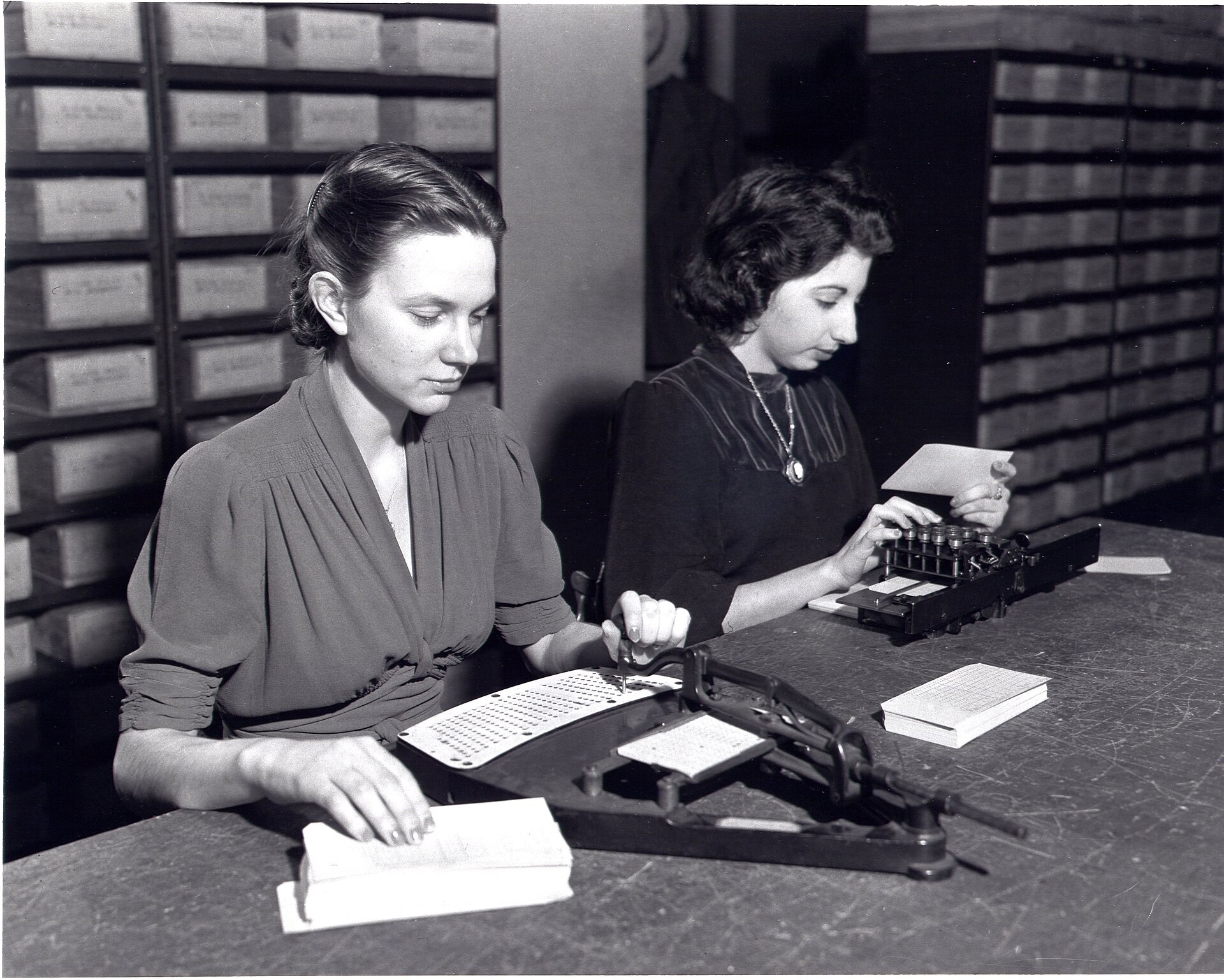
Where the work usually starts.
These are the most important tasks a language model can already handle directly. In a typical engagement the first wins come from building workflows around them, so they stop eating the team's time.
-
Prepare invoices, reports, memos, letters, financial statements, and other documents, using word processing, spreadsheet, database, or presentation software.
-
Prepare responses to correspondence containing routine inquiries.
-
Open, sort, and distribute incoming correspondence, including faxes and email.
These are the most important tasks AI can already handle when paired with the right tools and context. The first wins usually come from building workflows around them. That is the difference between a model that could do the job and one that actually does it inside your business.
-
Manage and maintain executives' schedules.
-
Process payroll information.
-
Make travel arrangements for executives.
Every role has three or four places like these. Finding them takes an hour. Turning them into a workflow your team actually uses takes a few days.
Every task in the role.
Every O*NET task for this occupation, split by what AI can do unaided and what still needs a person. Importance is O*NET's 1 to 5 rating of how central each task is.
Tasks via O*NET "Executive Secretaries and Executive Administrative Assistants" (43-6011.00).
What AI can already do
8 of 22 tasks, unaided
Prepare invoices, reports, memos, letters, financial statements, and other documents, using word processing, spreadsheet, database, or presentation software.
Prepare responses to correspondence containing routine inquiries.
Open, sort, and distribute incoming correspondence, including faxes and email.
Interpret administrative and operating policies and procedures for employees.
Read and analyze incoming memos, submissions, and reports to determine their significance and plan their distribution.
Provide clerical support to other departments.
Compile, transcribe, and distribute minutes of meetings.
Attend meetings to record minutes.
What still needs a person
14 of 22 tasks
Manage and maintain executives' schedules.
Process payroll information.
Make travel arrangements for executives.
Coordinate and direct office services, such as records, departmental finances, budget preparation, personnel issues, and housekeeping, to aid executives.
Answer phone calls and direct calls to appropriate parties or take messages.
Greet visitors and determine whether they should be given access to specific individuals.
Prepare agendas and make arrangements, such as coordinating catering for luncheons, for committee, board, and other meetings.
Conduct research, compile data, and prepare papers for consideration and presentation by executives, committees, and boards of directors.
Perform general office duties, such as ordering supplies, maintaining records management database systems, and performing basic bookkeeping work.
File and retrieve corporate documents, records, and reports.
Set up and oversee administrative policies and procedures for offices or organizations.
Meet with individuals, special interest groups, and others on behalf of executives, committees, and boards of directors.
Supervise and train other clerical staff and arrange for employee training by scheduling training or organizing training material.
Review operating practices and procedures to determine whether improvements can be made in areas such as workflow, reporting procedures, or expenditures.
Tasks via O*NET "Executive Secretaries and Executive Administrative Assistants" (43-6011.00).
What AI can already do
20 of 22 tasks, with tools
Manage and maintain executives' schedules.
Process payroll information.
Make travel arrangements for executives.
Prepare invoices, reports, memos, letters, financial statements, and other documents, using word processing, spreadsheet, database, or presentation software.
Coordinate and direct office services, such as records, departmental finances, budget preparation, personnel issues, and housekeeping, to aid executives.
Answer phone calls and direct calls to appropriate parties or take messages.
Prepare responses to correspondence containing routine inquiries.
Open, sort, and distribute incoming correspondence, including faxes and email.
Prepare agendas and make arrangements, such as coordinating catering for luncheons, for committee, board, and other meetings.
Conduct research, compile data, and prepare papers for consideration and presentation by executives, committees, and boards of directors.
Perform general office duties, such as ordering supplies, maintaining records management database systems, and performing basic bookkeeping work.
Interpret administrative and operating policies and procedures for employees.
File and retrieve corporate documents, records, and reports.
Read and analyze incoming memos, submissions, and reports to determine their significance and plan their distribution.
Set up and oversee administrative policies and procedures for offices or organizations.
Provide clerical support to other departments.
Compile, transcribe, and distribute minutes of meetings.
Attend meetings to record minutes.
Supervise and train other clerical staff and arrange for employee training by scheduling training or organizing training material.
Review operating practices and procedures to determine whether improvements can be made in areas such as workflow, reporting procedures, or expenditures.
What still needs a person
2 of 22 tasks
Greet visitors and determine whether they should be given access to specific individuals.
Meet with individuals, special interest groups, and others on behalf of executives, committees, and boards of directors.
Stay on top of this.
An email when there is something worth reading: what is real in AI at work, what is noise, and what operators are doing about it.
Free. Unsubscribe any time.
Related occupations.
Other roles in Administrative and secretarial occupations, and roles close by exposure.
What it means for your sector.
This role's score comes from Eloundou et al's 2023 task labels, weighted by O*NET importance within each O*NET-SOC code, then bridged to UK SOC 2020 through ISCO-08 (the ONS coding index) and US SOC 2010 (the BLS crosswalk). Employment and median pay come from ONS ASHE Table 14.7a, 2025 provisional, which covers employees only.
Back to the mapMethodologySources (PDF)Built 29 April 2026
Pictures
- "Census pantograph and 1930s keypunches" by U.S. Census Bureau employees, public domain, via Wikimedia Commons
- "Shepard Barclay, St. Louis lawyer, in his office" by Missouri Historical Society via DPLA, no known copyright restrictions, via Wikimedia Commons
- "Accountant's Office LCCN2016824374" by National Photo Company Collection, public domain, via Wikimedia Commons
- "Employment service in Oulu in the spring 1931" by Finnish Heritage Agency (Museovirasto), CC BY 4.0, via Wikimedia Commons