
In this piece
First published April 2024. Restored in full in October 2026.
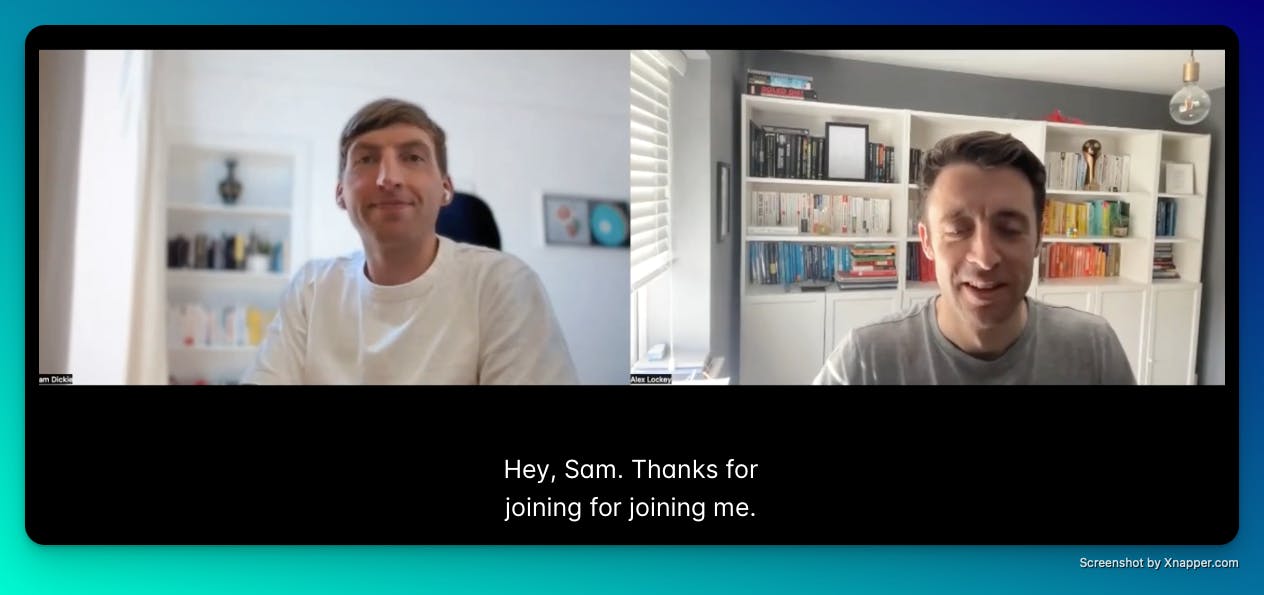
Sam joined me to talk about having fun building side hustles that interest you and provide income.
Sam is a serial entrepreneur who builds projects in his spare time while working a 9-5. He’s scaled and sold multiple ventures and currently runs one of the best newsletters out there for builders and entrepreneurs.
Building an audience through newsletters has always been a cornerstone strategy for him, so, along with his advice on solopreneurism, he’s generously shared his lean newsletter writing process.
Contributor: Sam Dickie

Sam is a Senior Product Manager who has spent the last 15 years working in the tech sector, after starting his career as a town planner.
Alongside his job, he spends some of his spare time building side projects.
These have included a 3D printing startup, a tech directory, a newsletter, a beta product directory and a consultancy.
Sam is the epitome of making a success out of following your interest and curiosity.
He enjoys his business ventures and builds in a risk-free way.
He’s also someone who I think has already found his 1,000 true fans through his writing.
Read on or watch below to find out more.
Descending rabbit holes: Sam’s projects
3D printing
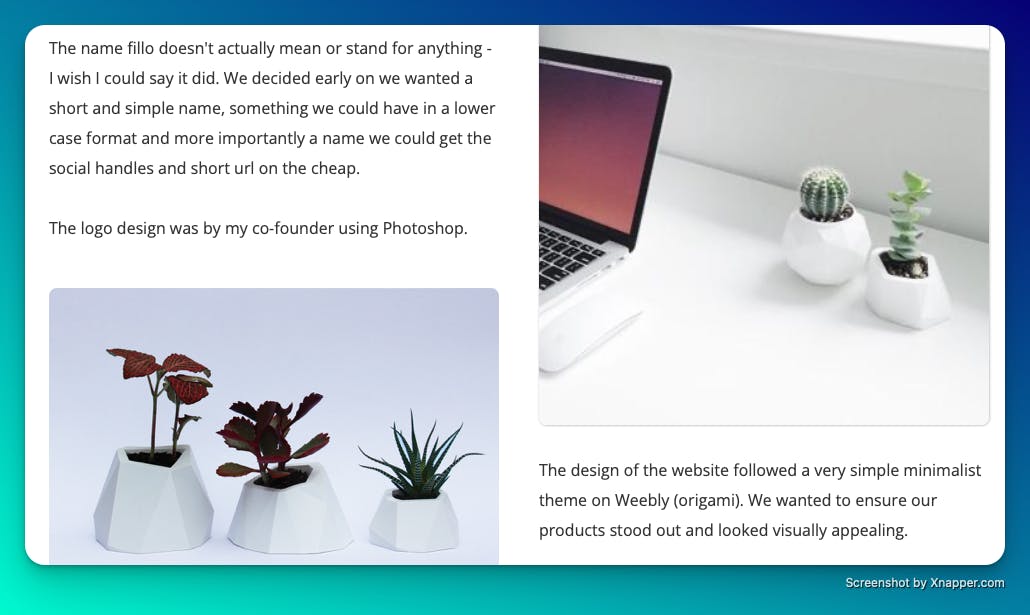
Sam’s first foray into launching a startup was Fiilo, a 3D printing business. This was at the height of the 3D printing craze, and he admits he used the launch as an excuse to buy a 3D printer.
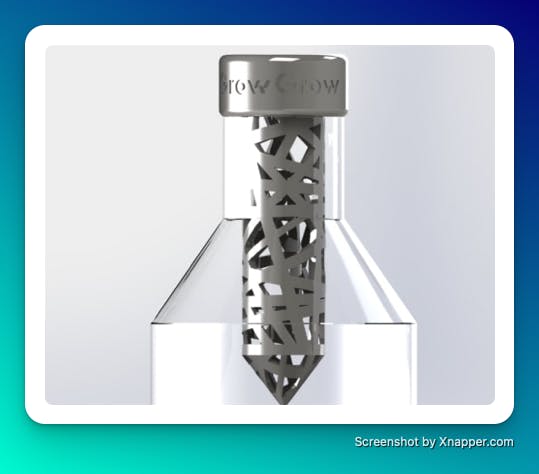
He ended up with two printers and launched a product called GrowGrow. GrowGrow is a sustainable 3D-printed product that turns any bottle into somewhere you can grow plants and herbs.
He eventually sold this business and the printers, making around £10k.
Along the way, he was exposed to all sorts of business tasks, including building a website in Weebly, the biggest no-code website builder of the time, and building an API that enabled print-on-demand for his product.
NoCode.Tech
Building all this as someone non-technical led to lots of friends asking how he’d built the tech.
Back then, no-code wasn’t popular and had almost zero search volume, so Sam created a basic directory.
A quick landing page on Weebly with a basic value prop, a short explanation and a list of the tools he had used before.
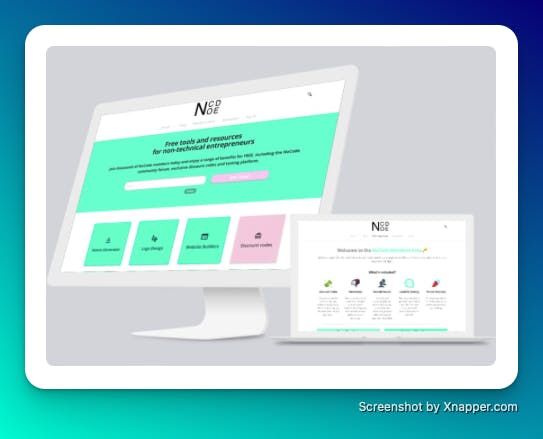
v2.0 of the site
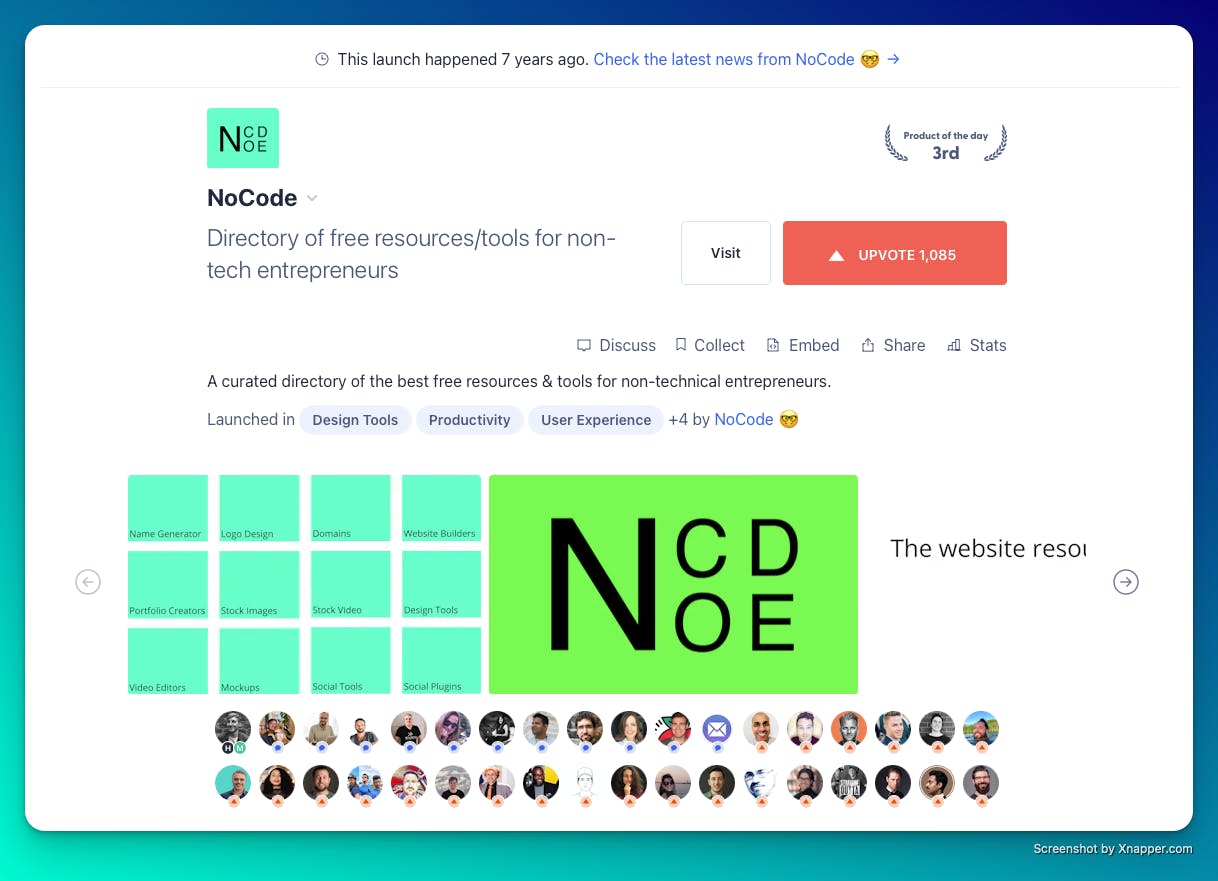
It hit the number 3 spot on Product Hunt, and he landed 2,000 subscribers in the first 48 hours.
But he hadn’t built it at this point, so he set about getting to work.
He built the directory and list to 30,000 subscribers and monetised the site through advertising. At its peak with Sam, it was bringing in about £2,000 per month in ad revenue.
He was still working his 9-5 at this point, so thought it might be a good time to exit. The site was still growing, but it was becoming anxiety-inducing alongside a full-time job. So, he sold the site and made friends with the buyer.
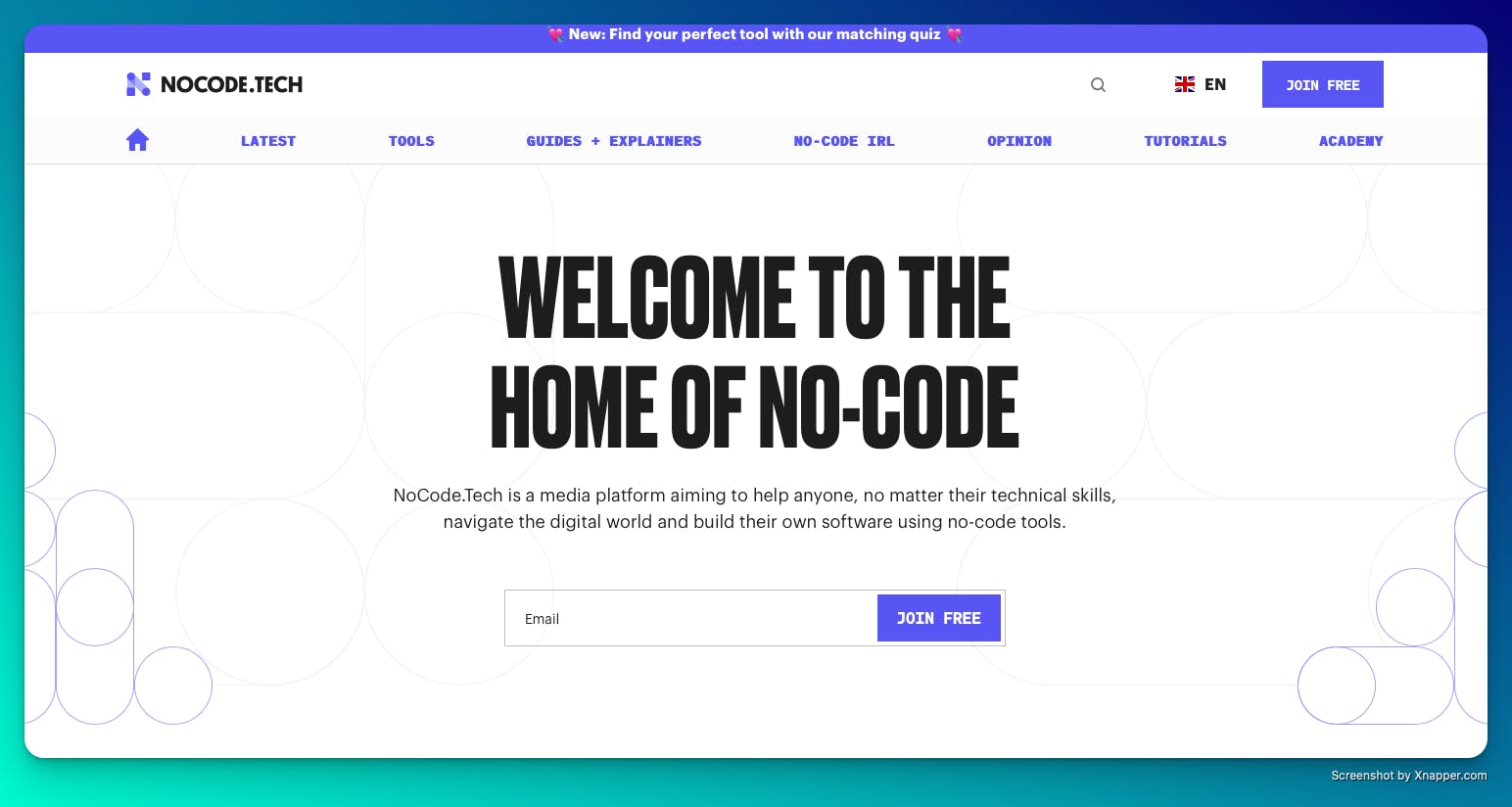
What NoCode.Tech looks like now
Fast forward a bit, and NoCode.Tech was eventually acquired by Stacker, a no-code app. Sam was working for their competitor at the time and ended up being offered a job by his friend who had acquired the site.
All of this from a side project in his area of passion.
Creator Club
After selling the directory, Sam lost his outlet for sharing his tools and learnings.
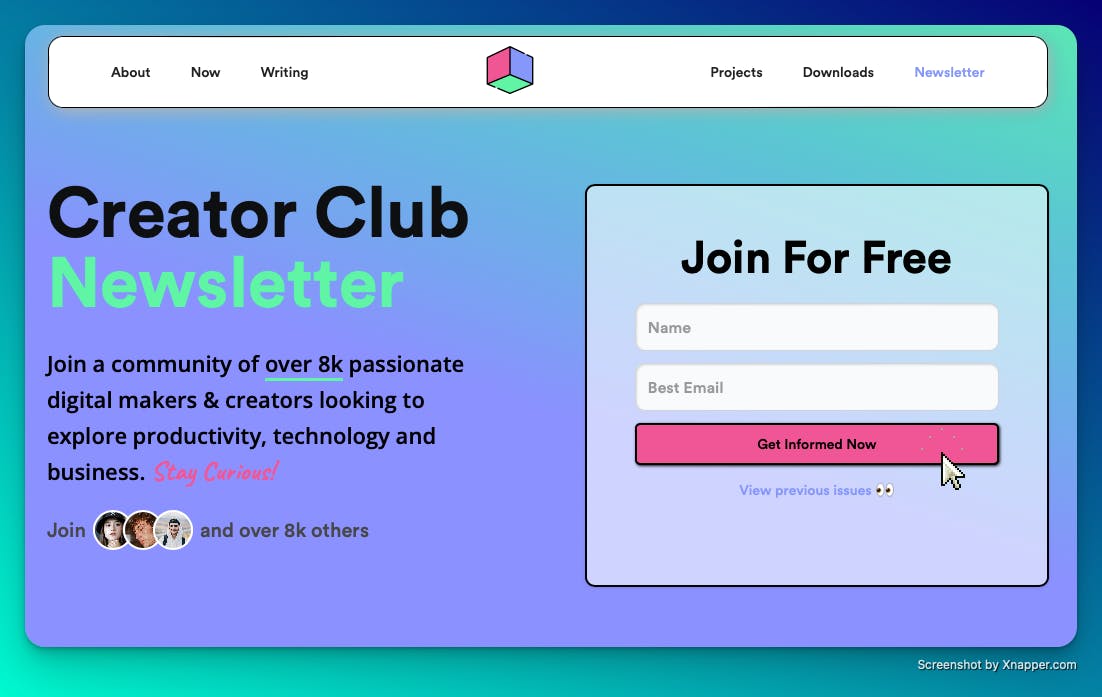
Fascinated by curation, and loving sifting through for nuggets, he invested more time in his personal website and launched the Creator Club newsletter.
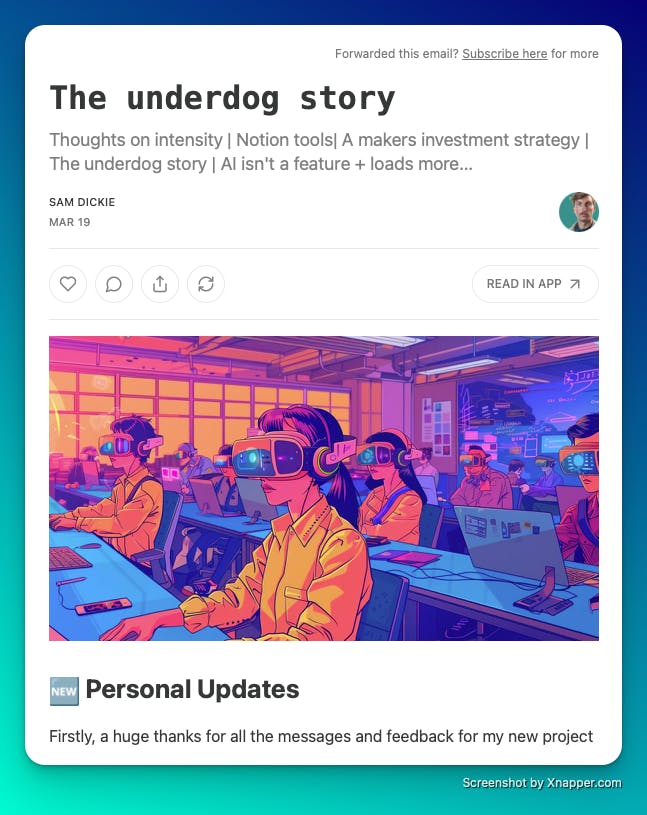
Sam writes monthly and currently has over 8,000 readers.
It’s one of the few newsletters that I let bypass my email filters and land in my main inbox.
Life as a part-time multipreneur side hustler
If it’s not obvious already, Sam is a curiosity-led business creator.
He’s found that the products without a revenue focus or intention have, ironically, outperformed those created purely to make money.
And he enjoys the ride.
He could have run NoCode.Tech for 10 more years and wouldn’t have tired of it, as it’s a byproduct of his interest.
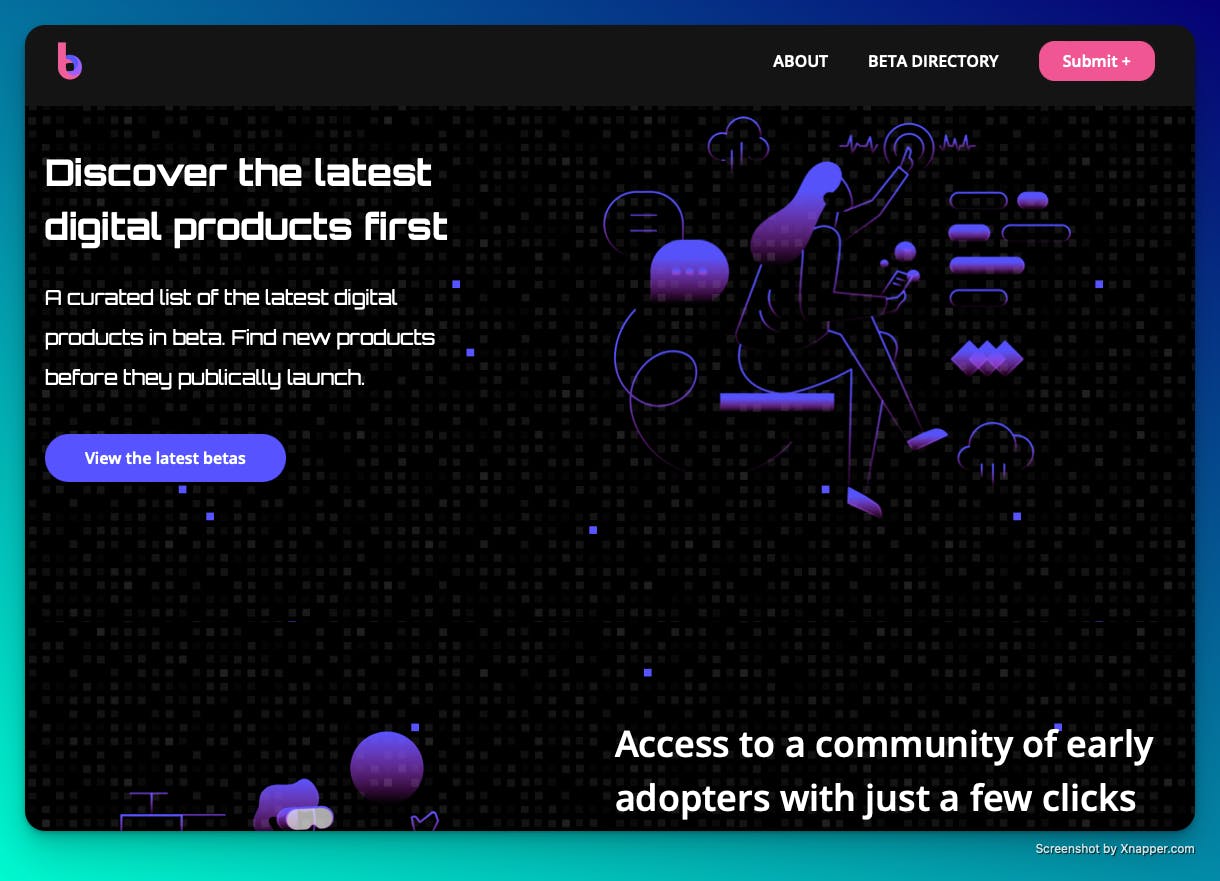
For the same reason, he has also created the Beta Directory, simply because he loves unearthing early-stage products.
He admits he gets the Fear when he thinks about quitting his 9-5, although he suspects that if he devoted the same energy to one of his projects, it could replace his income (no doubts from me here).
Keeping the job means he can run his ventures with less fear. He can experiment freely and isn’t risking the ranch with a young family to consider.
For example, he recently stopped paid sponsors on his newsletter, as they were more stress than the income was worth to him.
Something to think about when you’re building your ventures and audience.
Being a pure side hustler makes running lean even more important, so let’s jump into his process.
Sam’s lean newsletter curation and creation process
- Using Stoop Inbox to manage sources
- Curation with Pocket
- Managing content with Airtable and Zapier
- Using Bearly.ai to summarise
- Substack for writing
Starting out publishing his personal newsletter
Going against his own expertise, Sam originally over-engineered his process.
He curated with Feedly and tried to automate the full writing process with Zapier.
The trouble was that there were too many points of failure. The whole chain kept breaking down, and he spent his time fixing the system he had created.
For a 200-subscriber newsletter, he needed to pare things back.
His set-up now
Sam scaled back and now simply builds automations when he needs them.
He keeps the process simple, right down to the design and any welcome automation.
Keeping things real
We touched on the trend that keeping things raw is better.
Content has come full circle with the advent of AI. Everything looks too perfect, and people’s tastes are changing as a result.
Sam mentioned watermarks that show content isn’t AI-written, and we talked about content such as Greg Isenberg’s sketches and Chris Donnelly’s image posts on LinkedIn.

From Greg’s recent newsletter
Step-by-step process
1. Monitoring content sources
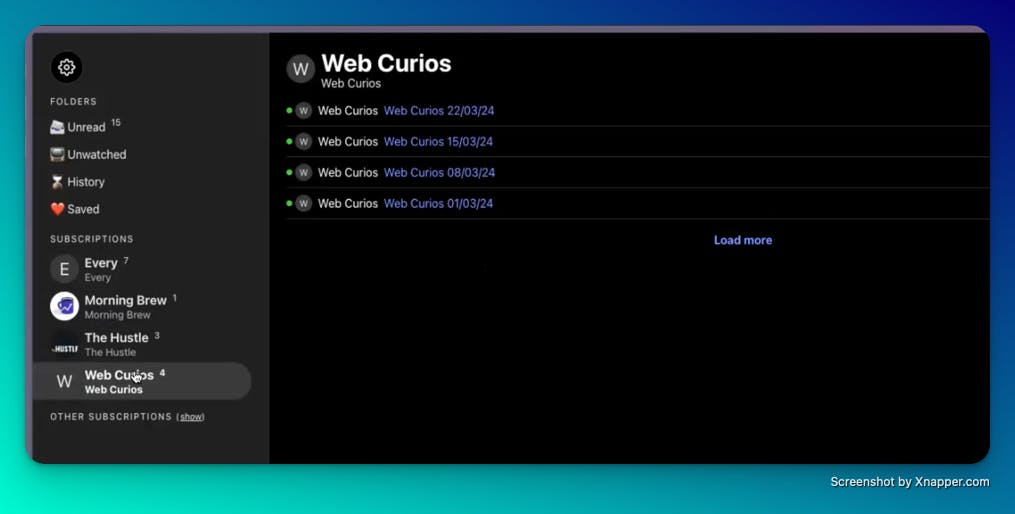
Sam uses Stoop Inbox, an RSS curation tool, to manage his content sources. It gives him a dedicated email address for newsletters, and he follows an Inbox Zero method. He checks in daily on Stoop, and on X, Reddit and Indie Hackers.
With X, he just uses the standard interface but has been careful to curate his feed, sometimes adding extra notifications to hear from interesting people.
2. Highlighting content
When curating links, Sam uses the Arc browser and the Pocket extension to save them. It’s super simple and lightweight. He creates tags that trigger an automation that sends the link to Airtable.
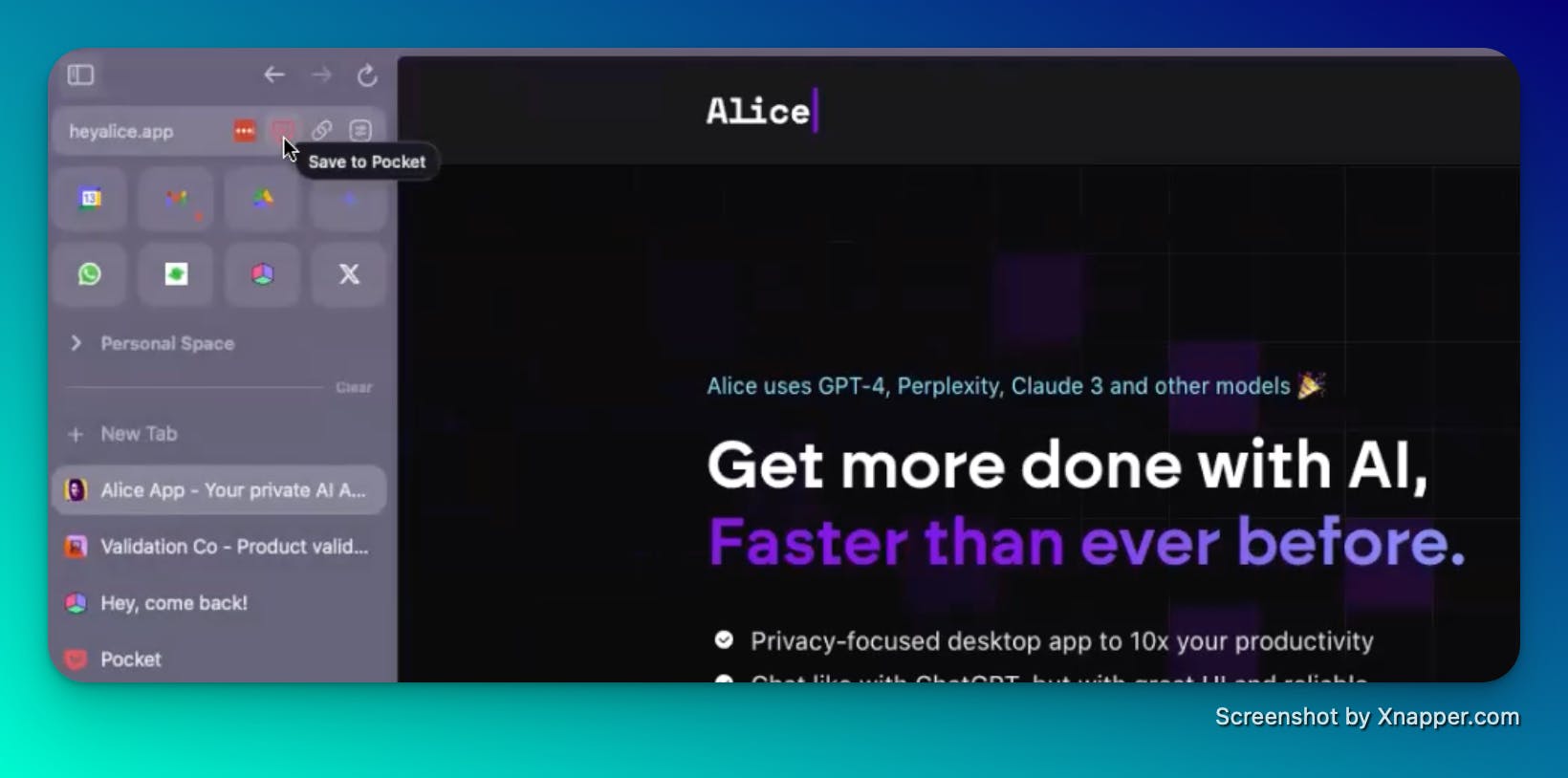
If you watch the video, here’s a shout-out to Alice, the AI interface I use, which recently featured on Product Hunt. It’s a fantastic tool with bags of potential for a solopreneur.
2026 note: Pocket has since shut down, so you’d need a different read-later tool for this step. The idea of tag, send to Airtable, grade later still holds.
3. Ranking and sorting content
He sends the links saved in Pocket to a basic Airtable base via Zapier. From there, he grades the content and sets aside some time to read it in more depth.
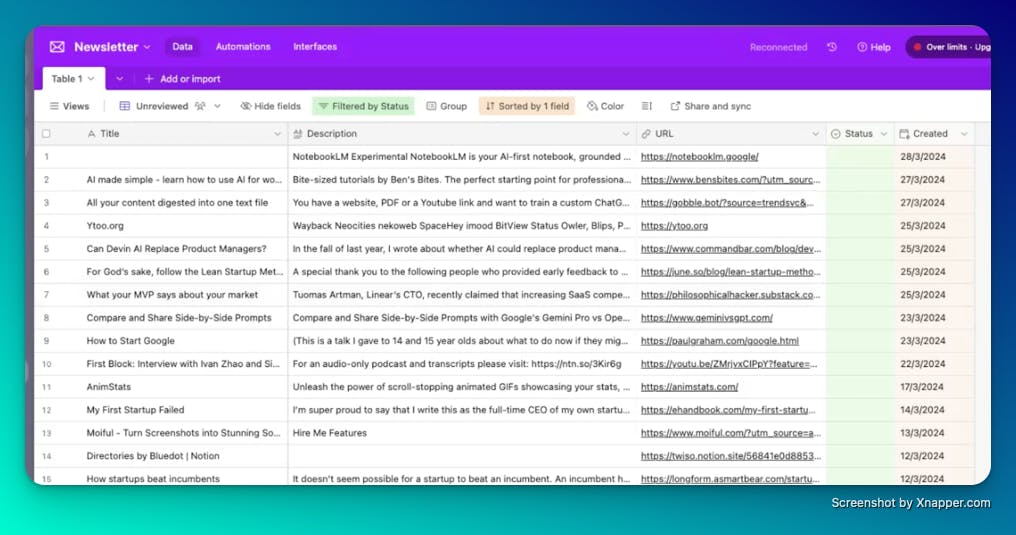
Pocket pulls through the title, metadata and URL.
4. Review
Sam does this manually, but has used Bearly.ai as a shortcut for digesting long-form content.
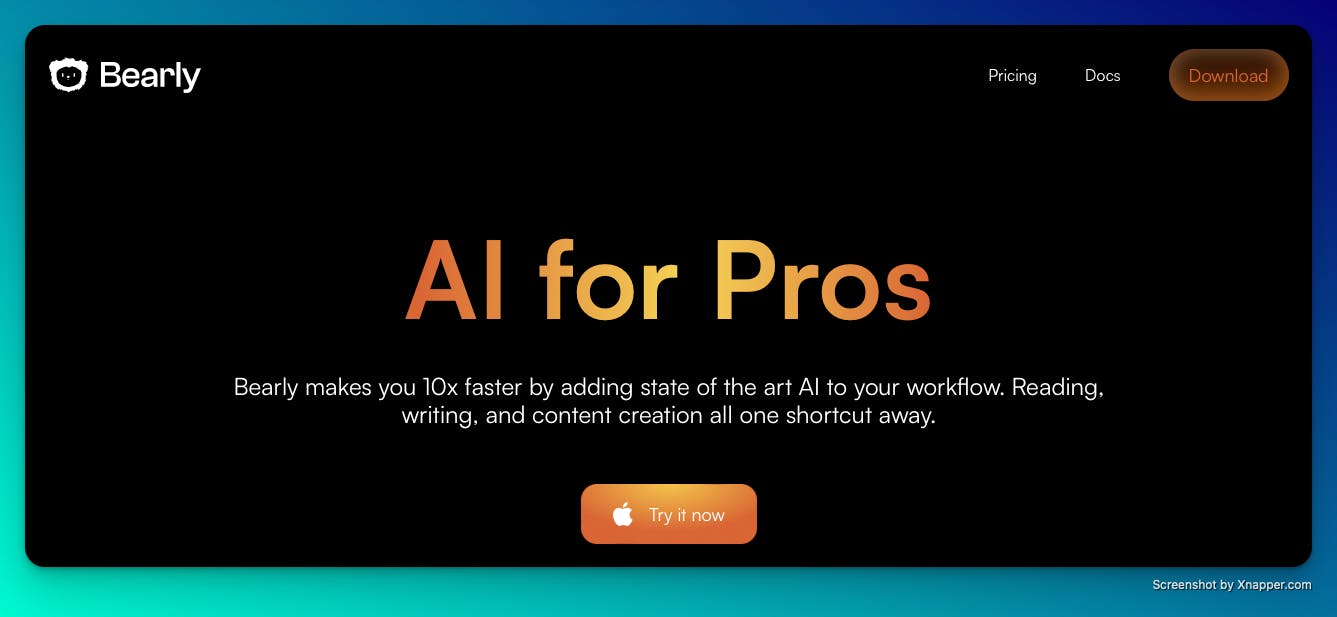
Bearly.ai was created by Trung Phan, the memelord himself. Linking back to raw content, Trung is one of the three hosts of the Not Investment Advice podcast. Its irreverent style and thumbnails make it an example of a successful podcast that doesn’t over-polish.
5. Writing it all up
Being a huge Notion fan (check out the free templates on his site), Sam originally used Notion for writing and linked it into Revue.
When Elon sunsetted Revue, he switched to Substack. He loves the Substack interface, so he drafts in Substack, starting from a duplicate of last month’s edition.
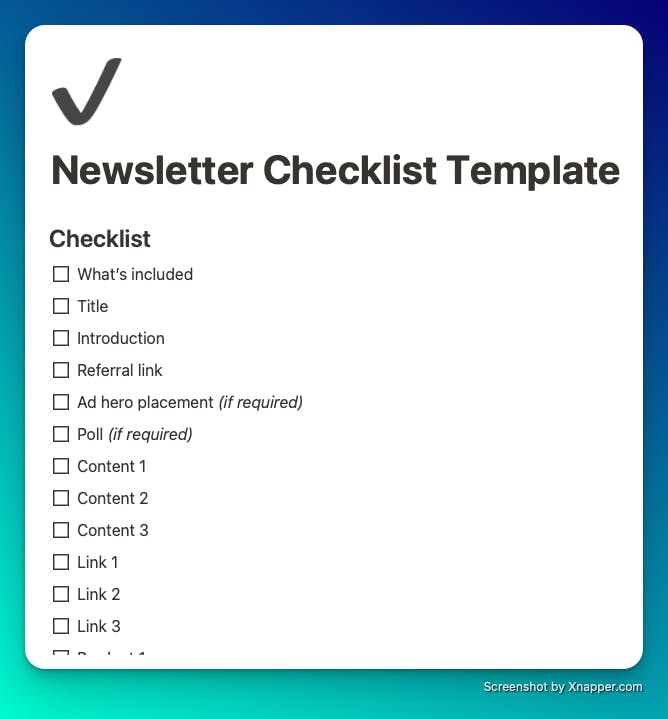
Before publishing, Sam runs through a Notion checklist, which he’s kindly shared with us here.
Parting advice
Keep your tool stack as lean as possible.
Avoid switching to the shiny new tool.
Getting launched quickly is key, so using tools you know well helps.
Don’t think you have to be everywhere for distribution. Sam sticks with what he knows on X and LinkedIn.
Overall, he advises keeping things simple and so keeping risk low.
Resources
He says they’re cliché, but I don’t agree. They’re timeless.
Paul Graham of Y Combinator is someone Sam recommends following. He doesn’t write often, which suits Sam, who gets anxious when someone good writes a lot and he can’t keep up. His content is well thought out and distils complex ideas in entrepreneurship and startups.
Sam also loves Naval Ravikant’s approach. He recommends the Almanack of Naval Ravikant for collected wisdom, and here’s a link to an audio collection of his interviews.
Follow Sam’s journey
Sam is sure to keep on writing over at Creator Club, so go and subscribe.
You can find out more about him on his personal website and on X.
His personal website is beautiful and full of free downloads. He has also curated personal websites he admires, if you need some inspiration.
Sam is a super nice guy, so reach out to him. I did before I started my personal blog earlier this year, and he gave me some great advice.
It’s also worth keeping an eye on Validation Co, where he aims to help early-stage makers and creators validate their ideas.
He’s building super slow, trying to enjoy the process without unachievable deadlines.
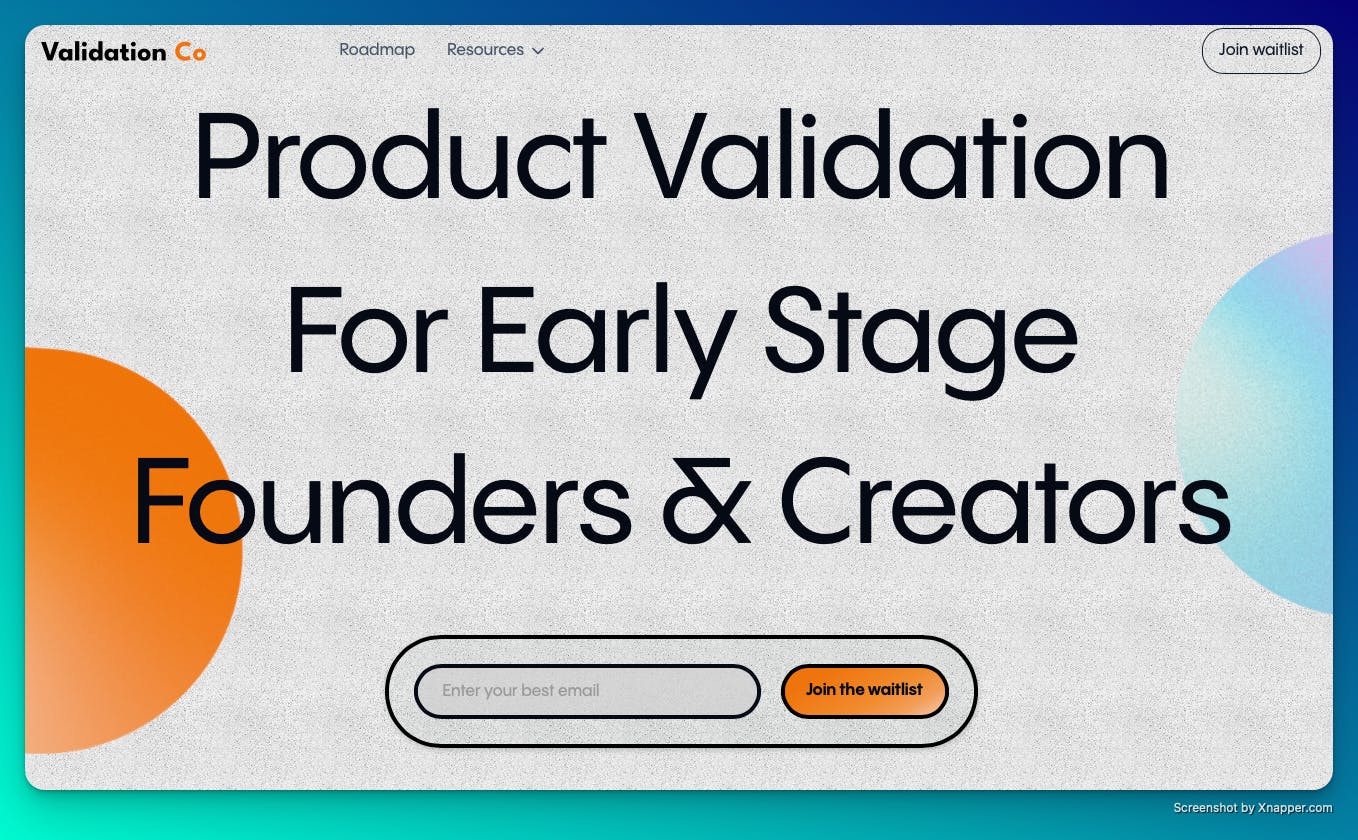
Maintaining his stamina and passion.
Amazing. I hope he writes more about that soon.
I loved interviewing Sam and learning about his approach to business.
If you’re building side projects around a day job and want other lean operators to compare notes with, that’s what the Leanpreneur community is for.